🎅 A Fun Grammar Lesson Hidden in a Carol ☃️
❤️Merry Christmas❤️
Every December in Korea, Santa Claus Is Coming to Town is sung in Korean.
You’ll hear it in malls, cafés, on TV, basically everywhere! 😄
The most famous line goes like this:
울면 안 돼! 울면 안 돼!
산타 할아버지는 우는 애들에겐 선물을 안 주신대!
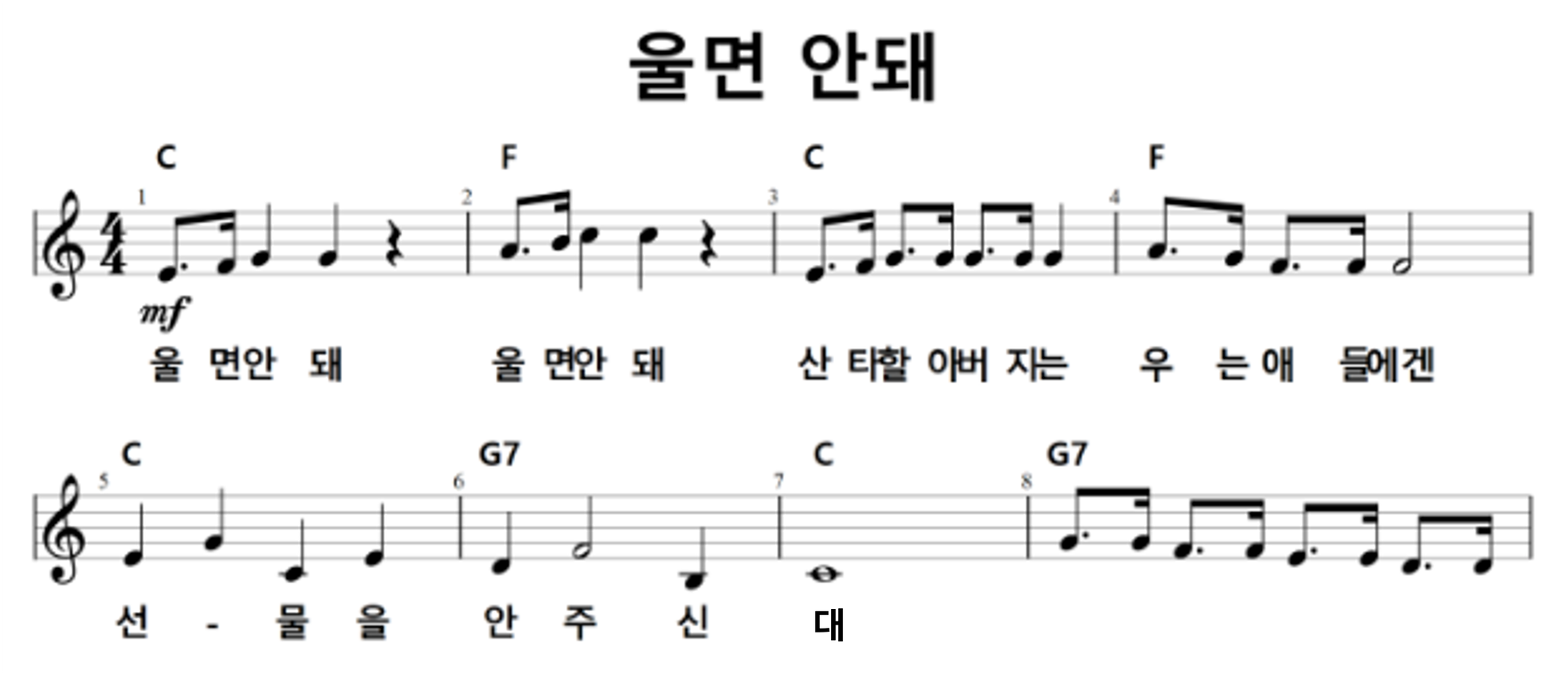
Even if you’re a beginner, this line is gold ✨
Why? Because it secretly teaches three Korean grammar points that everyone struggles with, learners and native speakers alike.
Let’s unwrap them one by one 🎁
🔍 Grammar Point 1: 안 vs. 않
Seen in: 울면 안 돼
Both mean “not”, but they are used in different grammatical positions.
안 is an adverb meaning not.
It is placed before a verb or adjective.
Ex) 안 울어요. = I'm not crying.
않 comes from 아니하-, which literally means “to not do.”
Because of this, 않 is a verb, not an adverb.
Ex) 울지 않아요. = I do not cry.
| Form | How it’s used | Example |
|---|---|---|
| 안 | Adverb (goes before a verb) | 안 가요 (I don’t go) |
| 않 | Verb | 가지 않아요 |
👉 울면 안 돼 = “You must not cry”
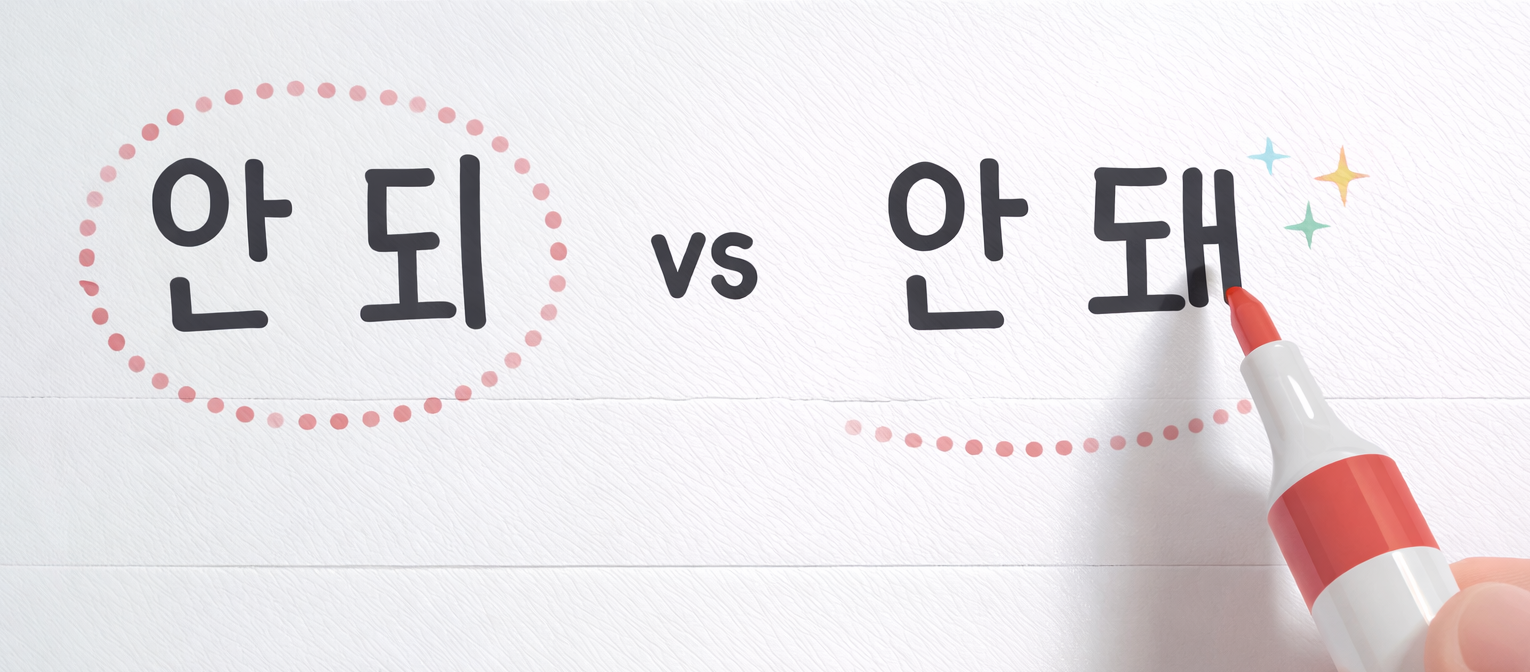
🔍 Grammar Point 2: 되 vs. 돼
Seen in: 울면 안 돼
This one causes endless confusion.
- 되다 = to become / to be allowed
- 돼 = 되 + 어 → 돼 (conjugated form)
If you can replace it with “되어”, then 돼 is correct.
Examples
- 이거 되어요?
= 이거 돼요? - 그렇게 하면 안 되어요.
= 안 돼요. - 일이 잘 잘 되었어요.
= 일이 잘 됐어요.
🔍 Grammar Point 3: 대 vs. 데
Seen in: 선물을 안 주신대
대 is a shortened form of –다고 해요.
It is used when you are reporting information you heard, not something you personally experienced.
Example) 내일 비가 온다고 해요. → 내일 비가 온대요.
They say it will rain tomorrow.
(This is not based on my own experience.)
데 is used when the speaker is talking about a situation or fact they directly experienced or observed.
Example) 비 오는 데 나가지 마세요.
Don’t go out when it’s raining.
(The speaker is describing an actual situation.)
| Form | Meaning |
|---|---|
| -대 | Quoting what someone says |
| -데 | Background or contrast |
👉 (산타할아버지가 선물을) 안 주신대 = “(They say) he won’t give (you a present)”
Santa isn’t speaking directly. We’re reporting what people say about him.
That’s why 대 is correct here 🎅

Now You Know Why
The best way to remember grammar is to hear it, repeat it, and feel it in context, just like this carol.
Next time you hear
“울면 안 돼~”
you’ll know exactly why it’s written that way 😉
❤️Merry Christmas🎄❤️
TTMIK, a Christmas Gift Set for Learning Korean 💝
Everything’s already wrapped and ready, with a graded curriculum, speaking practice, reading resources, and more.
Join TTMIK and learn Korean with 1.7 million learners worldwide!