Why “이름이 뭐예요?” Sounds a Bit Too Direct
If you translate “What’s your name?” literally into Korean, you get:
이름이 뭐예요?
Grammatically? ✅ Correct
Naturally polite in real life? 🤔 Not quite.
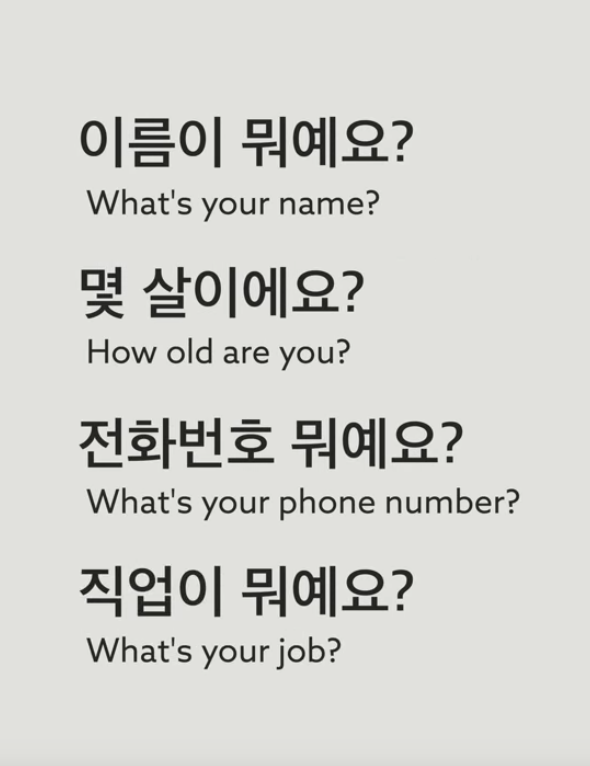
In many day-to-day situations, expressions like:
- 이름이 뭐예요?
- 직업이 뭐예요?
- 몇 살이에요?
- 전화번호 뭐예요?
are technically correct but can sound too direct or slightly casual, even with the polite ending -요.
If you want to sound more natural, there’s a much better expression:
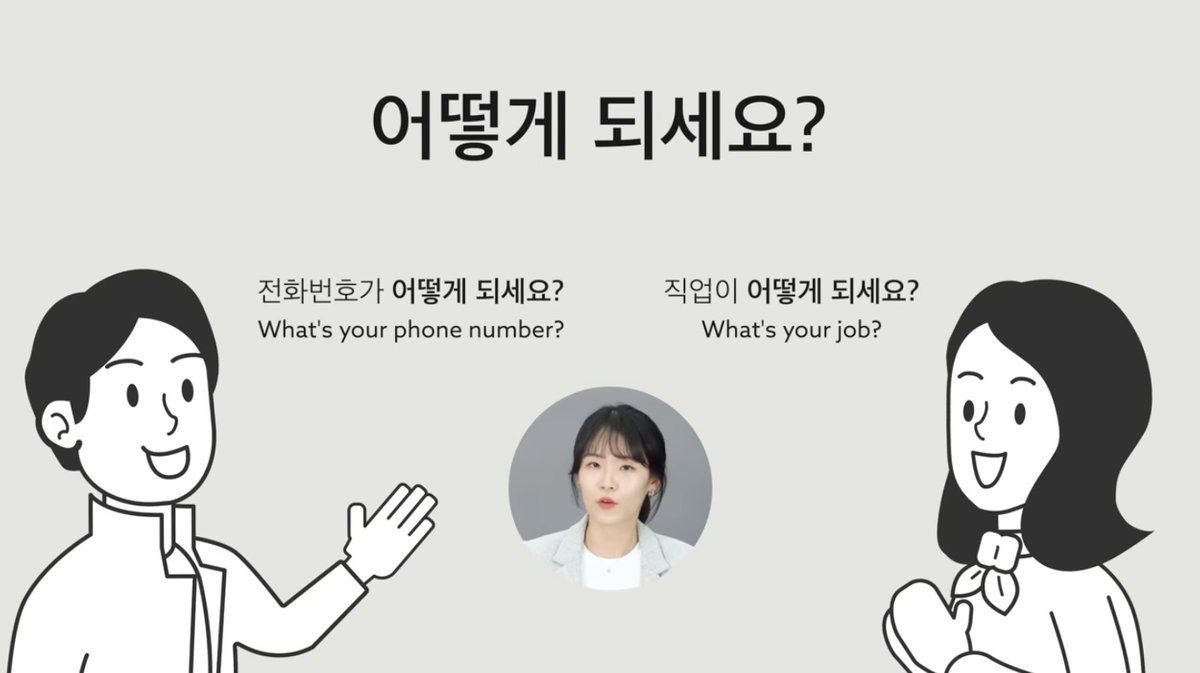
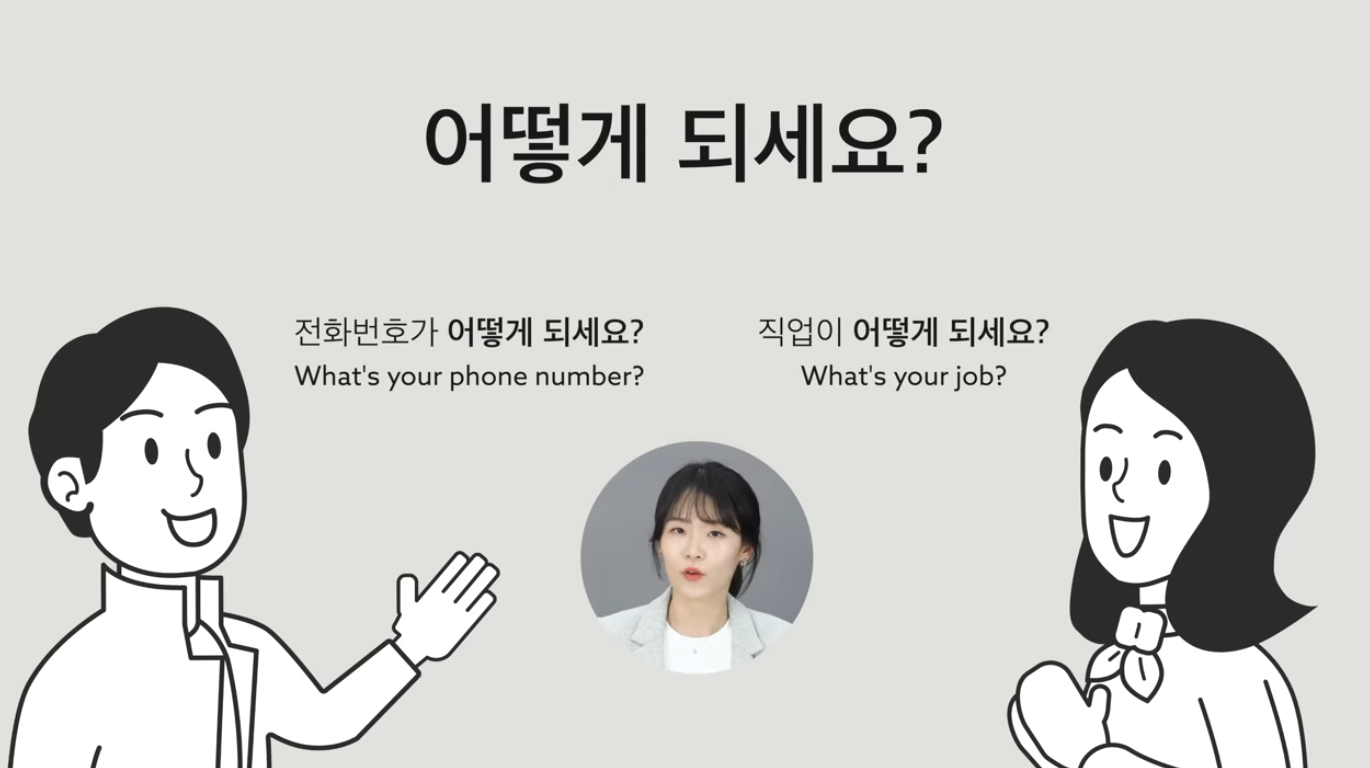
어떻게 되세요?
Let’s break it down.
🗣️ Want to speak Korean more naturally?
➡️ Take the first step with Talk To Me In Korean!💘
What Does “어떻게 되세요?” Actually Mean?
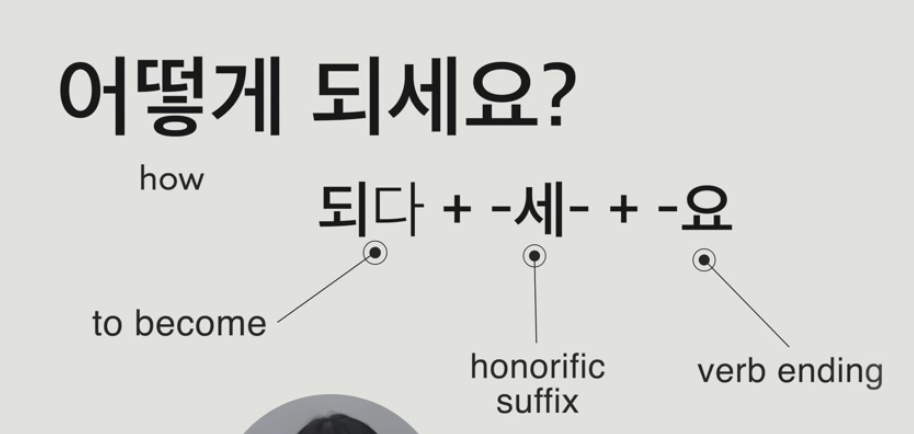
🔎 Structure Breakdown
| Part | Meaning | Role |
|---|---|---|
| 어떻게 | how | question word |
| 되다 | to become | verb |
| -세- | honorific suffix | shows respect |
| -요 | polite ending | polite tone |
Literally, it means:
“How does it become?”
or
“How does it turn out?”
But in real conversation, it functions as:
👉 A polite and indirect way of asking for personal information.
It softens the question and makes it feel more respectful.
How to Use It in Real Life
Here’s how you can upgrade your Korean instantly:
| Too Direct | More Natural & Polite |
|---|---|
| 이름이 뭐예요? | 이름이 어떻게 되세요? |
| 전화번호 뭐예요? | 전화번호가 어떻게 되세요? |
| 직업이 뭐예요? | 직업이 어떻게 되세요? |
Notice how adding -세요 makes the sentence sound smoother and more socially appropriate.
This is especially useful when:
- Meeting someone for the first time
- Speaking to someone older
- Talking in customer service situations
- Wanting to sound more refined in Korean
Why Native Speakers Prefer “-세요”
Even though -요 is polite, it’s still relatively neutral.
The addition of -세-:
- Adds honorific nuance
- Feels less blunt
- Matches real-life Korean conversation patterns
This is why you’ll hear 어떻게 되세요? far more often in natural settings.

For more information, please checkout this video!
Small Change, Big Difference
You don’t need complicated grammar to sound more native.
Just replacing
❌ 뭐예요? with ✅ 어떻게 되세요?
can completely change how polite and natural you sound.
Try using 이름이 어떻게 되세요? the next time you meet someone for the first time in Korean. You might even impress a native speaker 😉
👉 Want to Sound More Natural in Korean?
Expressions like this aren’t always taught in textbooks, but they’re everywhere in real life.
If you’d like to learn more real-world Korean used by native speakers, check out our structured lessons and speaking-focused courses at TTMIK.
Start building natural Korean step by step.