How many Korean words have made it into the OED?
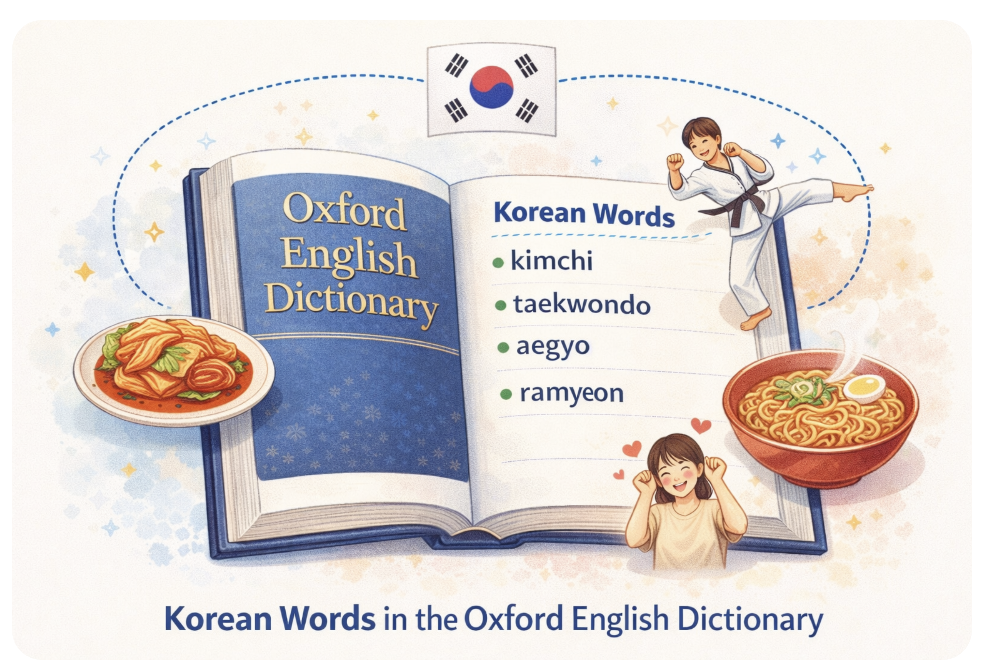
The Oxford English Dictionary (OED) has included Korean words for a long time, such as kimchi, taekwondo, ondol, and bibimbap.
But in the past few years, the number of Korean words added has been growing fast.
So what does it mean when a Korean word makes it into the OED?
It means it’s gone global, used so widely that English speakers often keep the Korean word. And it’s a clear sign of the growing influence of Korean language and culture worldwide.
Let’s take a fun, easy look at which Korean words were added, when, and why they matter.
See how many of them you already know!
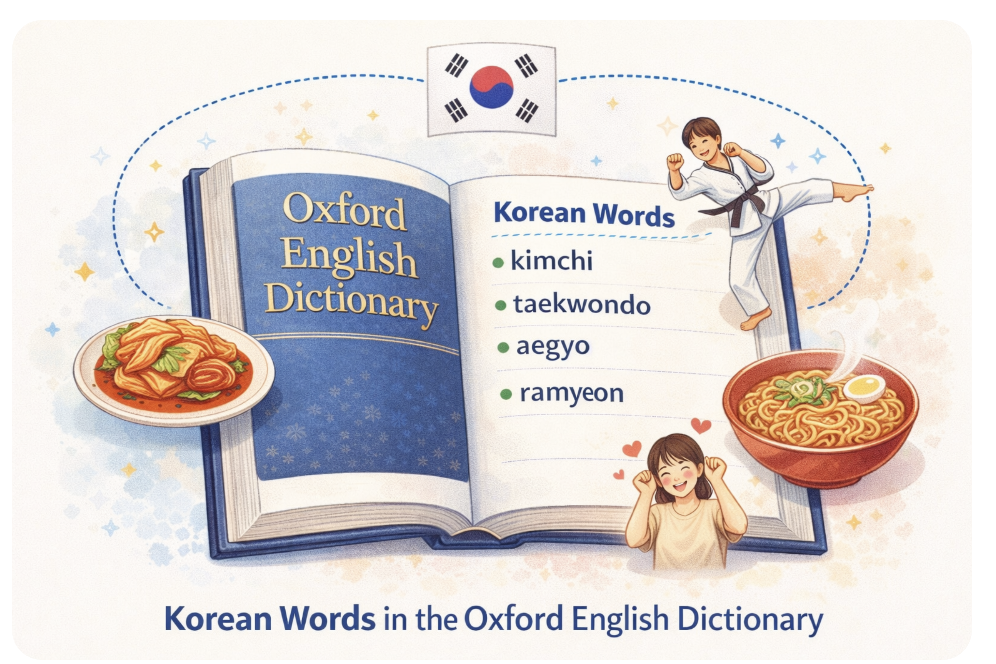
❓How does the OED decide which words to include?
The OED doesn’t add words just because they’re trendy.
Instead, editors look for clear, repeated evidence that a word is widely used in real English, across books, media, and everyday writing. If a word keeps showing up over time and people use it naturally without stopping to explain it, it’s a strong candidate.
Many Korean terms make it in the OED because translating them into English often takes more explanation. Instead, they’re used as-is in English sentences, carrying cultural and social meaning that’s essential to understanding Korea and influential enough to travel worldwide.
Korean Words Added to the OED (2021–2026)
📌 September 2021 (26 words)
- Culture: 먹방(mukbang), 한류(hallyu), 콩글리시(Konglish), 케이-(K-), 한국 드라마(K-drama), 만화(manhwa), 당수도(dangsudo), 트로트(trot)
- Food: 반찬(banchan), 불고기(bulgogi), 갈비(galbi), 잡채(japchae), 김밥(kimbap), 삼겹살(samgyeopsal), 동치미(dongchimi), 치맥(chimaek)
- Lifestyle: PC방(PC bang), 학원(hagwon), 스킨십(skinship)
- Others: 애교(aegyo), 누나(nuna), 오빠(oppa), 언니(unni), 대박(daebak),
화이팅(fighting)
👉 Many of these words come from K-content and everyday life in Korea.
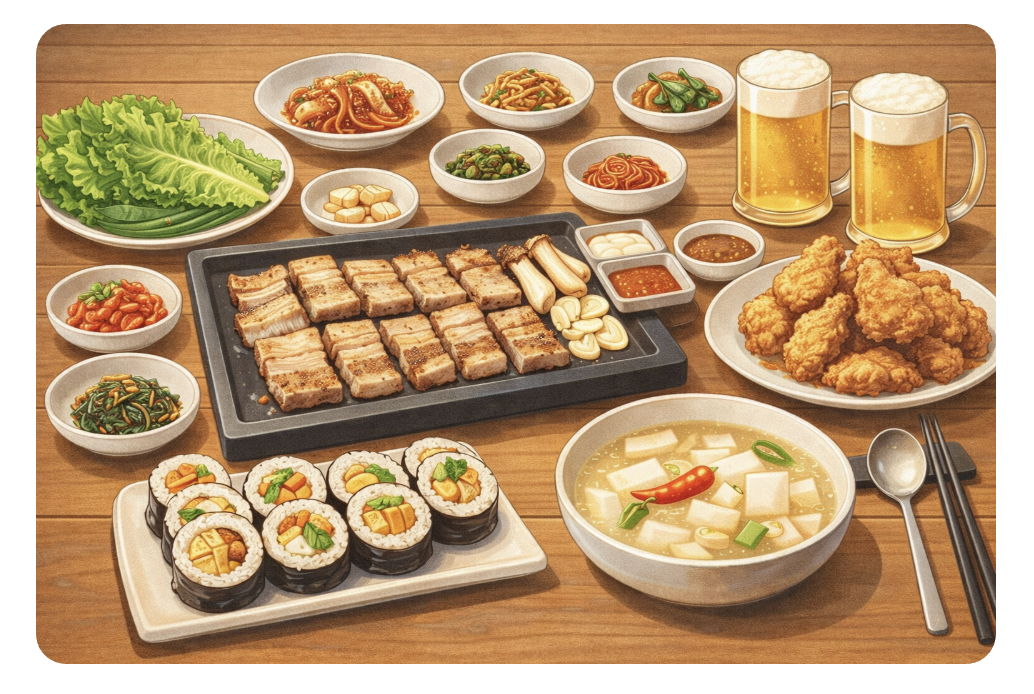
📌 January 2025 (7 words)
- Food: 달고나(dalgona), 찌개(jjigae), 떡볶이(tteokbokki)
- Relationships: 형(hyung), 막내(maknae)
- Culture: 노래방(noraebang), 판소리(pansori)
👉 Korean food and relationship-based vocabulary continued to gain global attention.
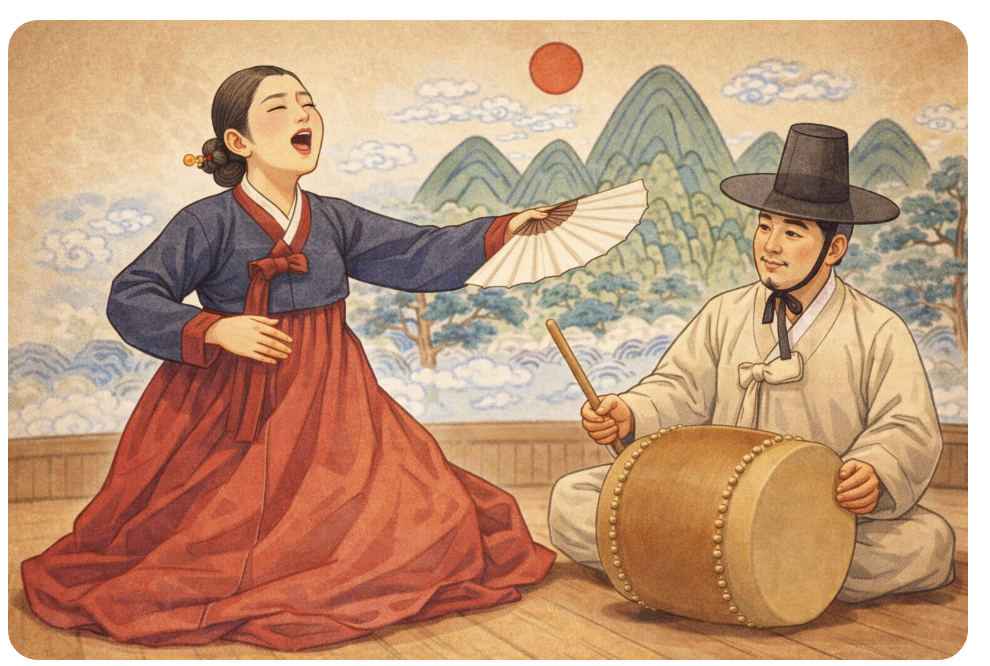
📌 January 2026 (8 words)
- Food & places: 라면(ramyeon), 빙수(bingsu), 찜질방(jjimjilbang),
코리안 바비큐(Korean barbecue) - People & relationships: 선배(seonbae), 아줌마(ajumma)
- Culture & housing: 해녀(haenyeo), 오피스텔(officetel)
👉 Very everyday Korean words are now being introduced to the world

🚨Quick tip!
To really understand these words, context and real-life examples matter. That's why we recommend My First 500 Korean Words Book 1 + Book 2 and Korean Slang Expressions.
They help you learn Korean words the way they’re actually used naturally, in real sentences, and in everyday situations.
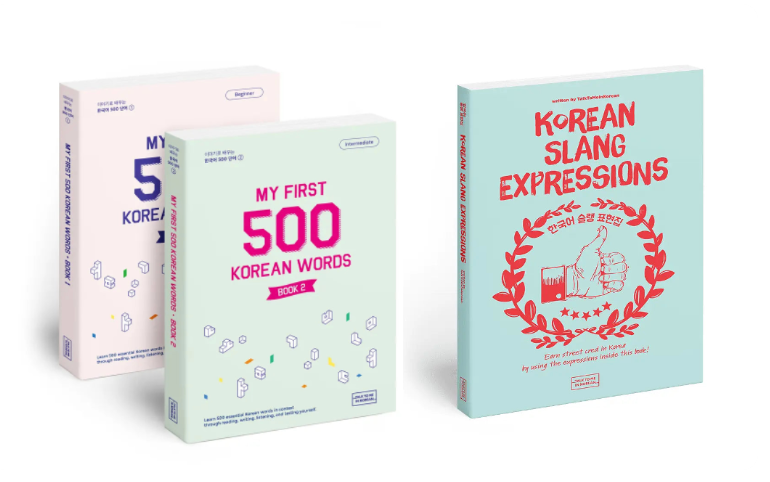
👉 Visit TTMIK Bookstore 👈
❓Why These Words?
These Korean words share a few important traits:
- They’re hard to translate into one English word
- They reflect uniquely Korean social or cultural concepts
- They’re frequently used in English media, articles, and conversations
Words like 떡볶이, 막내, or 선배 aren’t just vocabulary. They come with cultural context, relationships, and unspoken rules.

❓Why kimchi and taekwondo came earlier, but aegyo and ramyeon are recent!
Words like kimchi and taekwondo entered English decades ago through food, sports, and long-term cultural exchange, so they built a long history of use.
Aegyo and ramyeon, on the other hand, spread much more recently through K-pop, K-dramas, and online culture, often kept in Korean because translations just don’t feel right. Once these words became widely used (and widely understood), they were ready for the OED.
❓Will More Korean Words Be Added in the Future?
Korean words in the OED aren’t just trendy vocabulary. They’re proof that Korean culture is actively shaping global language.
So, the answer to the questions is, very likely, YES!
As Korean food, media, and lifestyle continue to spread globally, more Korean words will enter everyday English.
If you’re learning Korean, keeping an eye on these words is a fun way to stay connected to how the language is evolving right now.
And who knows? The next word added might be one you already know 😉
⭐ Over 1 million learners have already seen real results!
Talk To Me In Korean is known worldwide for breaking down the language barrier and making Korean easy to learn. Our lessons are designed by experienced teachers who’ve guided countless learners down this same path. We blend solid teaching with a lighthearted approach, so you’ll find yourself having fun while actually making progress.