🍎 Do Koreans Really Not Say “Excuse Me”?
If you’ve spent time in Korea, especially in busy cities like Seoul or Busan, you might have wondered:
- Why do Koreans not apologize when they bump into you in a tight space?
- Why do they not say “Excuse me” when they want to walk through people?
Well, Koreans do acknowledge others. It's just not always in the ways or volume you may expect.
To understand why, we need to understand how Korean culture views personal space and interactions with strangers.
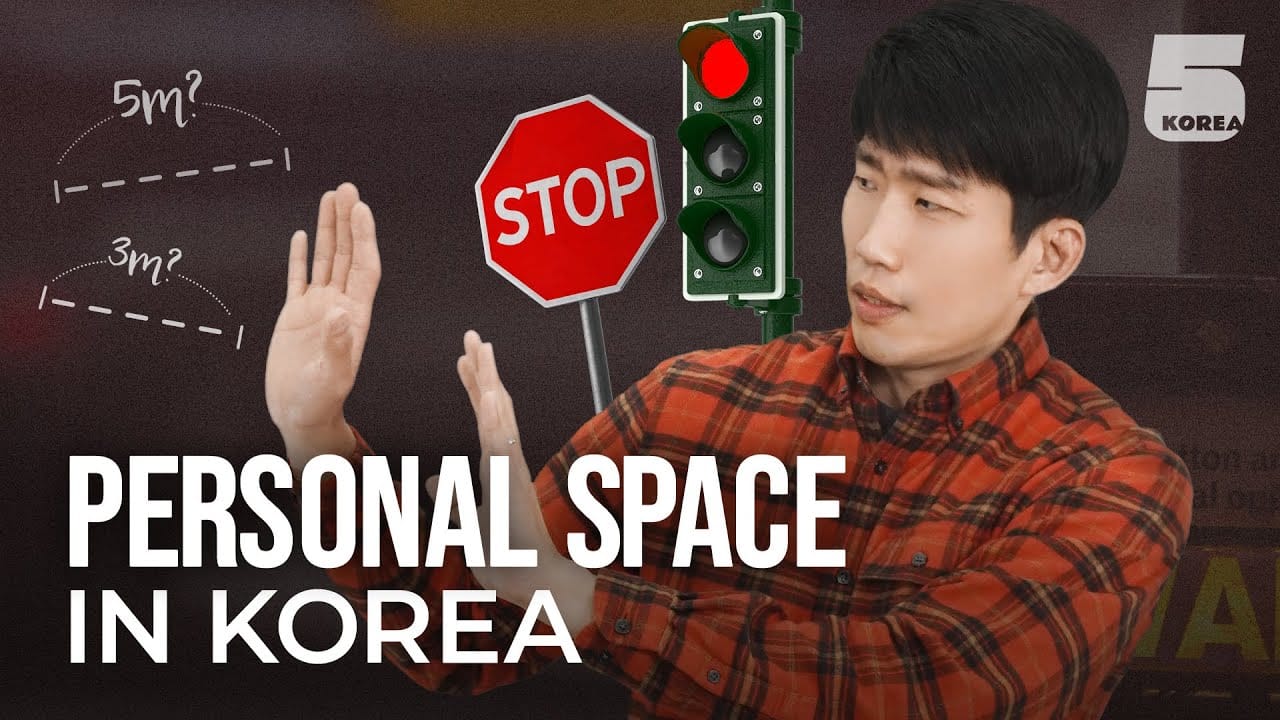
🛋️ Personal Space Works Differently in Korea
In many Western cultures, personal space is seen as a right.
If someone gets too close, it feels uncomfortable, and you may expect an apology or acknowledgement.
In Korea, however, especially in big cities:
- Physical closeness is common and often unavoidable.
- People grow up accustomed to smaller personal space bubbles.
- The mindset is less “you’re in my space” and more “we’re all moving together.”
This isn’t because Koreans enjoy being close or bumping into others.
It’s simply something people have learned to accept as normal, especially during Korea’s fast economic growth, when everyone was busy moving fast, side by side.
So if a backpack brushes against yours on the subway? Most Koreans will think:
“No big deal. No harm done. Just part of city life.”
🫣 But Talking to Strangers? That’s a Different Story
Here’s where it gets interesting.
Although Koreans are comfortable physically being near strangers, if that stranger that just went past me stops and turns around and talks to me? Then I might be surprised and slightly thrown off guard.
And that's because outside of interactions between customers and sellers like commercial interactions that are necessary, talking to strangers is almost always an unexpected scenario.
So, you can put it like this:
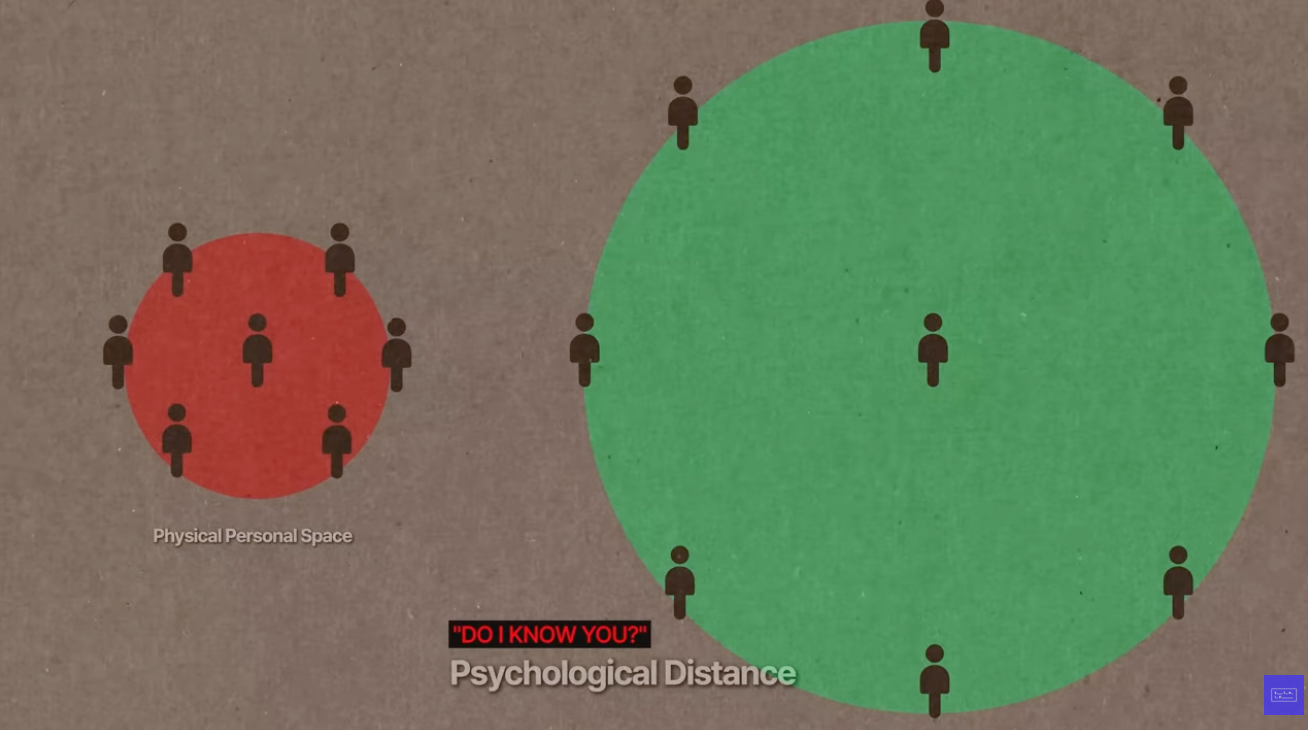
- Physical, personal space required: relatively small
- Psychological distance, in other words, the “Do I know you?” attitude: relatively big.
🍎 So… Do Koreans Apologize or Not?
They do, just in a quieter and less direct form than what some cultures expect.
Here’s how it usually looks:
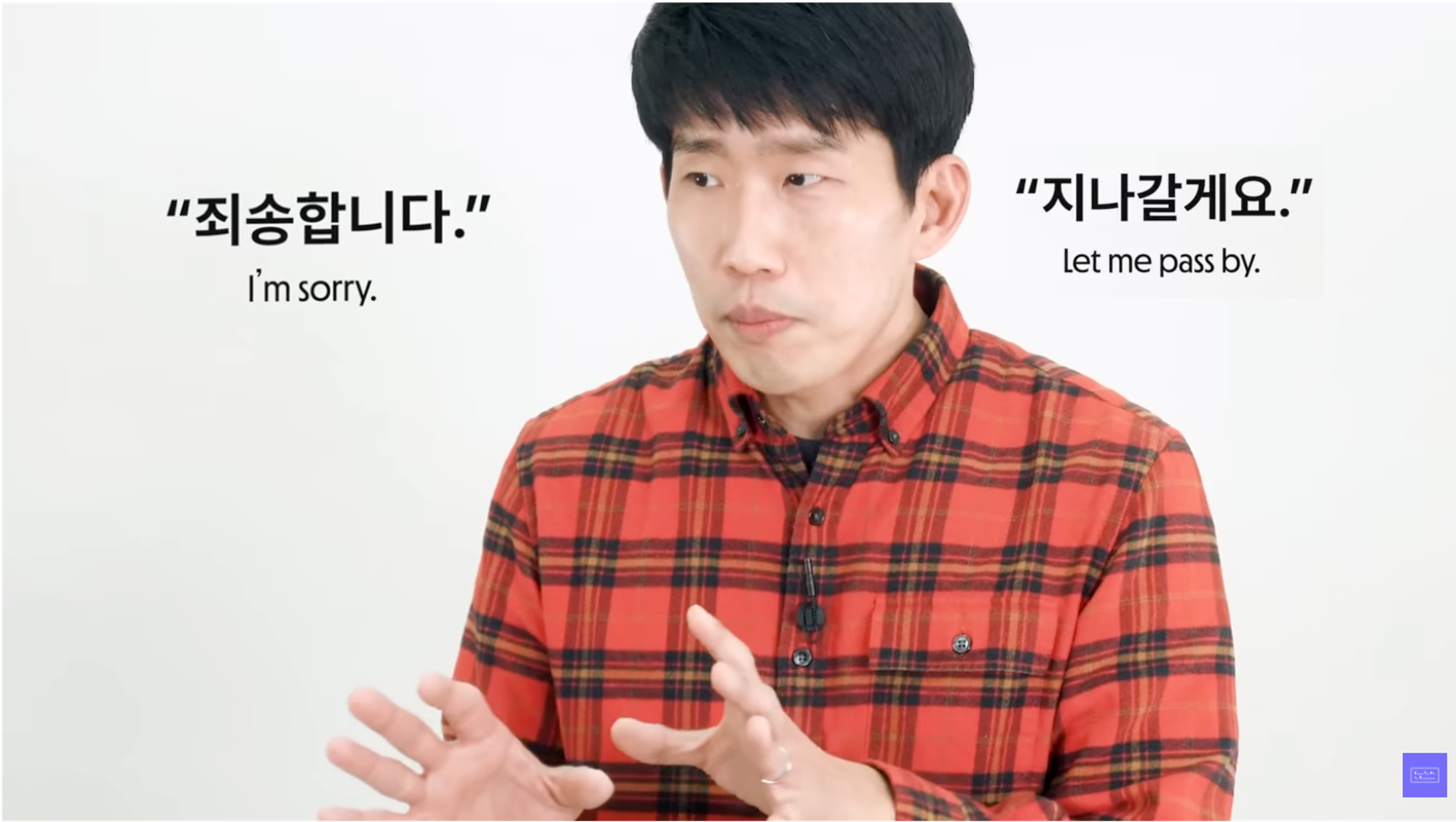
- A soft 죄송합니다 (sorry)
- Or 지나갈게요 (I’ll just pass through)
- Often spoken quickly, quietly, or slightly after the motion happens.
- Sometimes it’s just a small nod, slight hand gesture, or some facial expressions with some inaudible words murmured.
It’s acknowledgment, just subtle.
This can make it seem like nothing was said at all, especially to someone who expects a clear, audible “Excuse me” before passing.
👏 Cultural Shifts Are Happening
Younger generations, frequent travelers, and people exposed to global cultures are becoming:
- More vocal
- More comfortable with small talk
- More skilled in expressing courtesy openly
So while the traditional norm still exists, interaction styles are slowly changing.
It would be interesting to revisit this topic in 10 years and see how much evolves.
✨ To Wrap It Up!
In Korean culture, many people are very passive about interacting with or talking with strangers unless there’s a clear reason to.
But that doesn’t mean they ignore others. They often express awareness and appreciation in quiet, thoughtful ways: a soft “thank you,” a small nod, or even a quick smile that says it all.
Want to hear the full story? Watch the below video now!
If this post caught your interest, we're sure our other videos will definitely keep you hooked! 🎬
🚥 Want to Learn
Korean Culture and Language More Deeply?
Come learn with Talk To Me In Korean!
Talk To Me In Korean is known worldwide for breaking down the language barrier and making Korean easy to learn. We blend solid teaching with a lighthearted approach, so you’ll find yourself having fun while actually making progress.