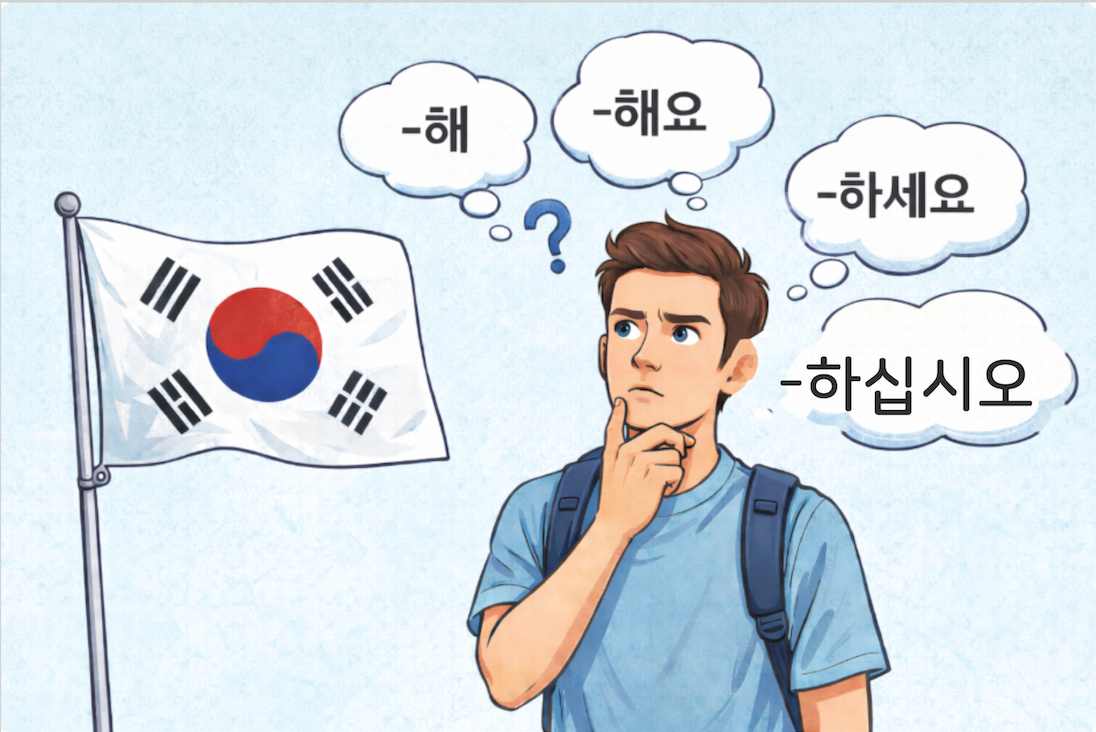
🧑🤝🧑 Could 존댓말 disappear in Korea?
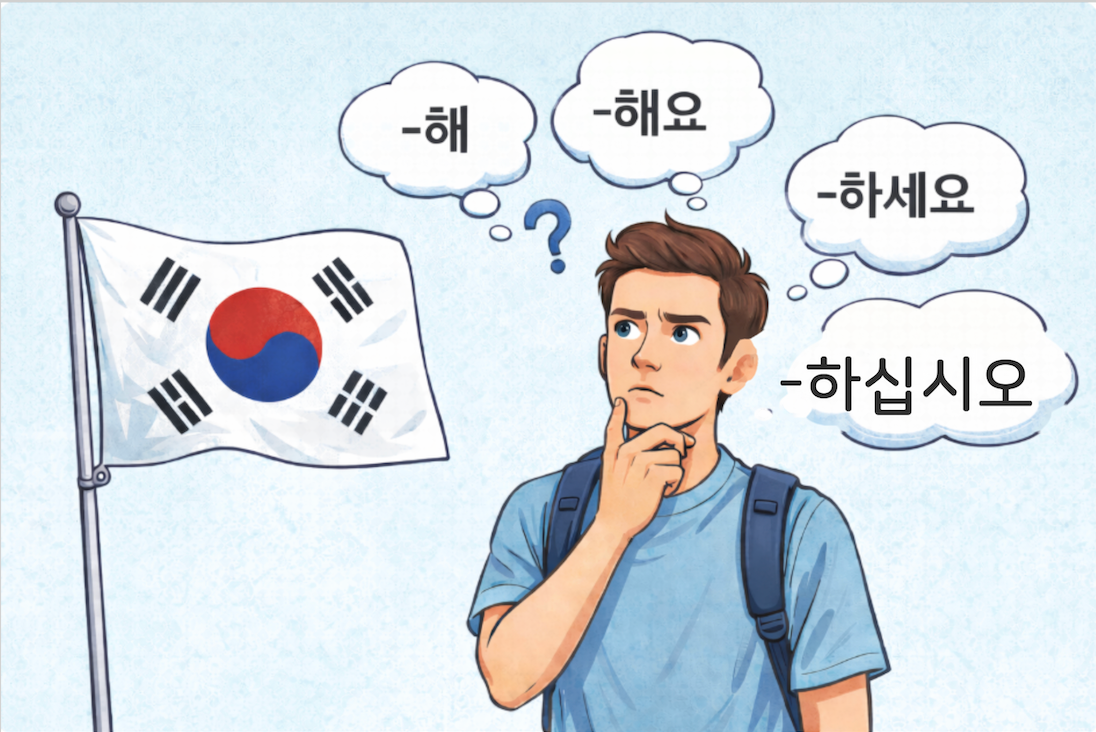
Have you ever hesitated right before speaking Korean to a stranger, a coworker, or a staff member?
- “Is 해요체 polite enough here?”
- “Should I switch to 합니다체?”
- “My friend says their office uses 평어. Does that mean 존댓말 is disappearing?”
If you’ve asked “Could 존댓말 disappear in Korea someday?”, you’re usually not asking about grammar endings. You’re really asking this:
Will Korean become simpler, flatter, and more equal in everyday speech?
The short answer: Honorifics probably won’t vanish.
But the default speech style people choose can definitely shift, and it already is.
💬 What is 존댓말?
존댓말 is polite Korean speech used to show respect and appropriate social distance. It’s expressed mainly through:
- Polite sentence endings:
- -아요/-어요 (-해요체): everyday polite (“먹었어요?”)
- -습니다/-습니까 (-하십시오체): formal polite (“먹었습니다/드셨습니까?”)
- Honorific markers like -(으)시-:
- “가요” → “가세요” (polite + honorific)
- Polite address terms: -님, -씨, job titles (e.g., “선생님,” “팀장님”)
In real life, what we see is less “deleting honorifics” and more changing defaults like which speech level feels safest with strangers, coworkers, or service staff.

Will 존댓말 ever disappear?
A complete disappearance is unlikely, because 존댓말 is tied to how Korean handles:
- social distance
- public vs private settings
- respect in institutions and service interactions
- age and hierarchy norms that still shape many situations
Honorifics are not just optional “polite decorations.” They are built into how Korean manages relationships.
What can happen, and what is already happening, is a shift in defaults and boundaries.
🌲 What’s actually changing in real life?
1) More people default to polite speech with strangers
Even when someone is younger, many speakers choose 해요체 in public contexts because it feels safe, neutral, and socially smooth.
2) Some groups experiment with 평어 or flatter workplace styles
Certain teams, startups, or creative communities try 평어 (neutral speech) or “less hierarchical” speech rules to reduce pressure and make collaboration feel easier.
Important nuance: this usually requires agreement and culture-setting, it’s not automatic.

3) Speech levels can blend
You may hear “semi-polite” vibes where endings stay polite but tone becomes casual, or where titles drop but sentence endings remain polite.
This doesn’t mean the honorific system is collapsing. It means people are actively negotiating “what feels right” in each micro-context.
💡Quick Tip!
If you’re not sure which speech level to use, follow this:
- Start with 해요체 (-아요/-어요/-여요)
- It’s polite, friendly, and safe in most situations.
- Upgrade to 하십시오체 (-습니다/-습니까?) for formal/public moments
- Announcements, presentations, interviews, official service encounters.
- Only use 해체/반말 (-해) when the relationship clearly allows it
- Close friends, agreed-upon casual talk, same-age peer groups, etc.
- Also, honorifics show up beyond endings like name endings and titles. For example, -아/-야 are casual and not respectful, while -씨/-님 are more appropriate in many adult/public contexts.
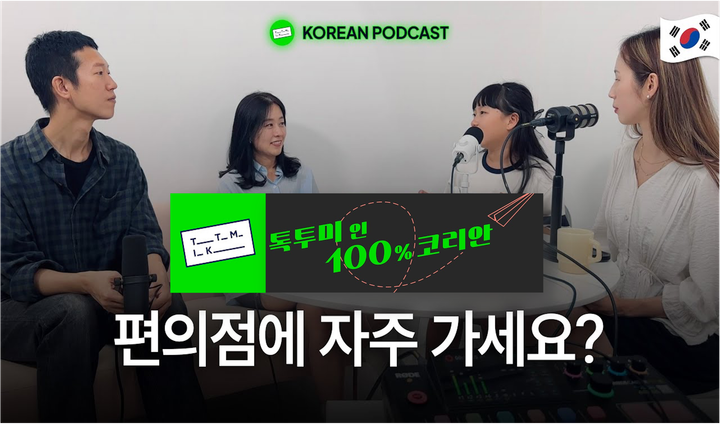
💡 Want to know more about this topic and hear honest opinions from Koreans? Watch the video below!
Could Korean Honorifics (존댓말) disappear in Korea someday?
On our Talk To Me In 100% channel, you’ll find plenty more helpful and interesting videos, so if you’re curious about Korean culture and Korean's point of view, be sure to watch some of our other videos too!
Start your Korean learning journey with TTMIK!
Talk To Me In Korean is known worldwide for breaking down the language barrier and making Korean easy to learn. Our lessons are designed by experienced teachers who’ve guided countless learners down this same path. We blend solid teaching with a lighthearted approach, so you’ll find yourself having fun while actually making progress.