Why Koreans Keep Saying “아니”
If you have ever watched Korean shows, movies, or even casual YouTube vlogs, you have probably noticed one thing:
Koreans say “아니” all the time, even when no one is actually saying something to disagree with.

So why does it sound like Koreans keep saying “No”?
Are they rejecting something? Are they disagreeing?
Not exactly.
“아니” is the casual form of “아니요” which means “No”. Yes. It DOES mean “No”. Only it doesn’t… from time to time. So then, what does “아니” mean when it’s not used to mean “No”?
That’s what we are going to be learning today. To give you the bottom line first, you can say 아니 to start your sentence, to draw the listener's attention while expressing a little emotion.
💬 By the way, all the examples in this post come straight from our Bibimchat course, where you can listen to natural Korean conversations by Korean teachers.
Click here to check it out, you’re gonna love it 👍

🧵The 3 Main Usage of “아니”
1) 아니 to express surprise, doubt, or frustration
It’s basically like “Wait”, “Oh”, or “Oh no” in English.
It adds emotion to your reaction and often appears when something feels surprising, unfair, or unexpected.
Examples
<1>
아니, 카드 회사에 전화를 해야지. 왜 친구한테 전화를 해요?
What… you should call the card company. Why would you call your friend?

<2>
아니, 일 때문에 계속 한국어 생각만 하고 있는데, 여기서도 한국어 이야기를 해야 되나요?
Wait, I’m constantly thinking about Korean because of work, and now I have to talk about Korean here too?

2) 아니 to add an explanation or correction
아니 can also be used to make an additional explanation, add an excuse or denial like “well”, “I mean”, or “look”.
Examples
<1>
아니, 직장 일을 한 번도 해 보지 않았는데… 들은 얘기잖아요.
I mean, you’ve never worked in an office… You only heard about it from others.

<2>
아니, 엄청 고민하다가… 내릴까 말까 항상 고민이잖아요.
Look, I was thinking about it for so long… Getting bangs is always a big decision.

3) 아니 to get someone’s attention
It is similar to “by the way” or “hey.” It’s used when you want the others’ attention on what you are going to say. It’s like a very light way of saying
“Hey, I’m about to say something so listen up”.
Examples
<1>
아니, 어제 집은 잘 들어갔어?
Hey, did you get home safely yesterday?
<2>
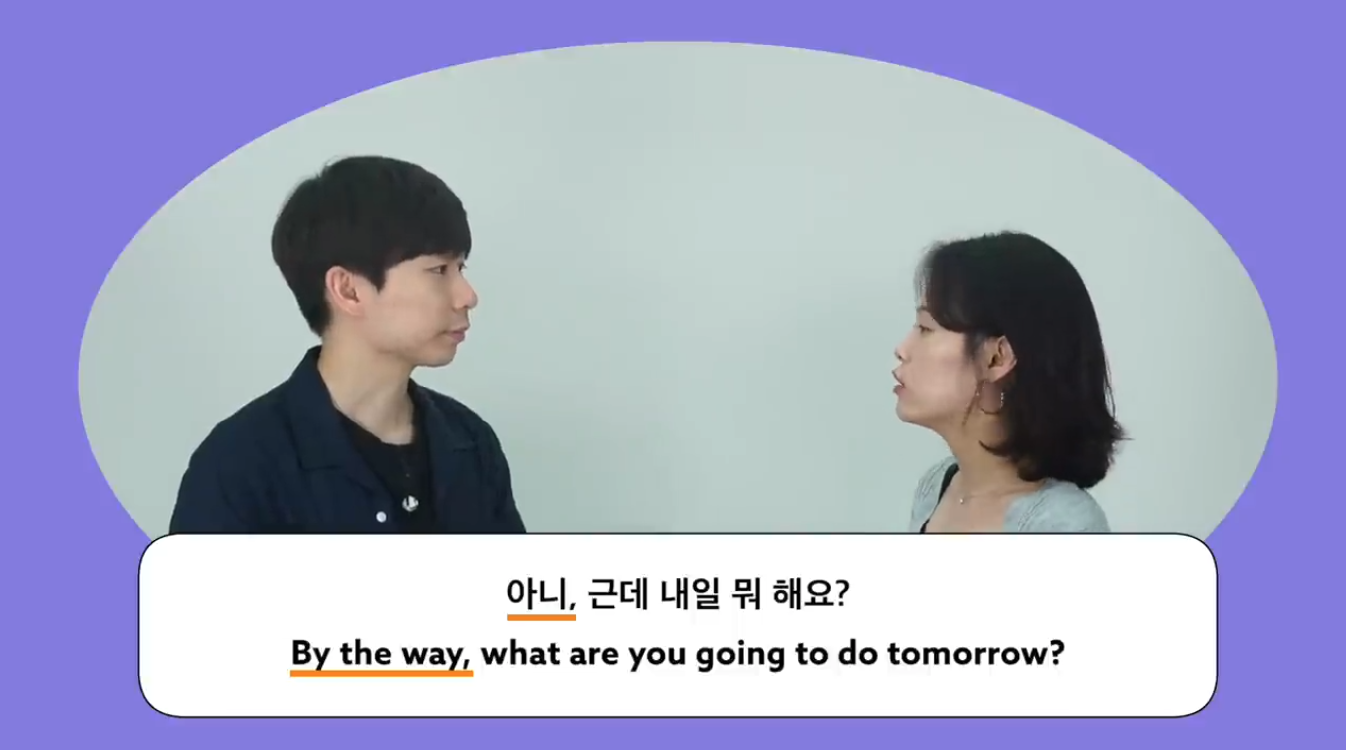
아니, 근데 내일 뭐 해요?
By the way, what are you doing tomorrow?
👉These three usages all have one thing in common:
아니 comes before the main point you want to say.
It’s such a common conversation starter that there is even Korean slang:
아니시에이팅
= 아니 + initiating, meaning “starting a sentence with 아니.”
You will hear it everywhere.
🧵The difference is in Intonation
So, how can you tell when “아니” means “no” and when it doesn’t? It’s easy. The intonation.
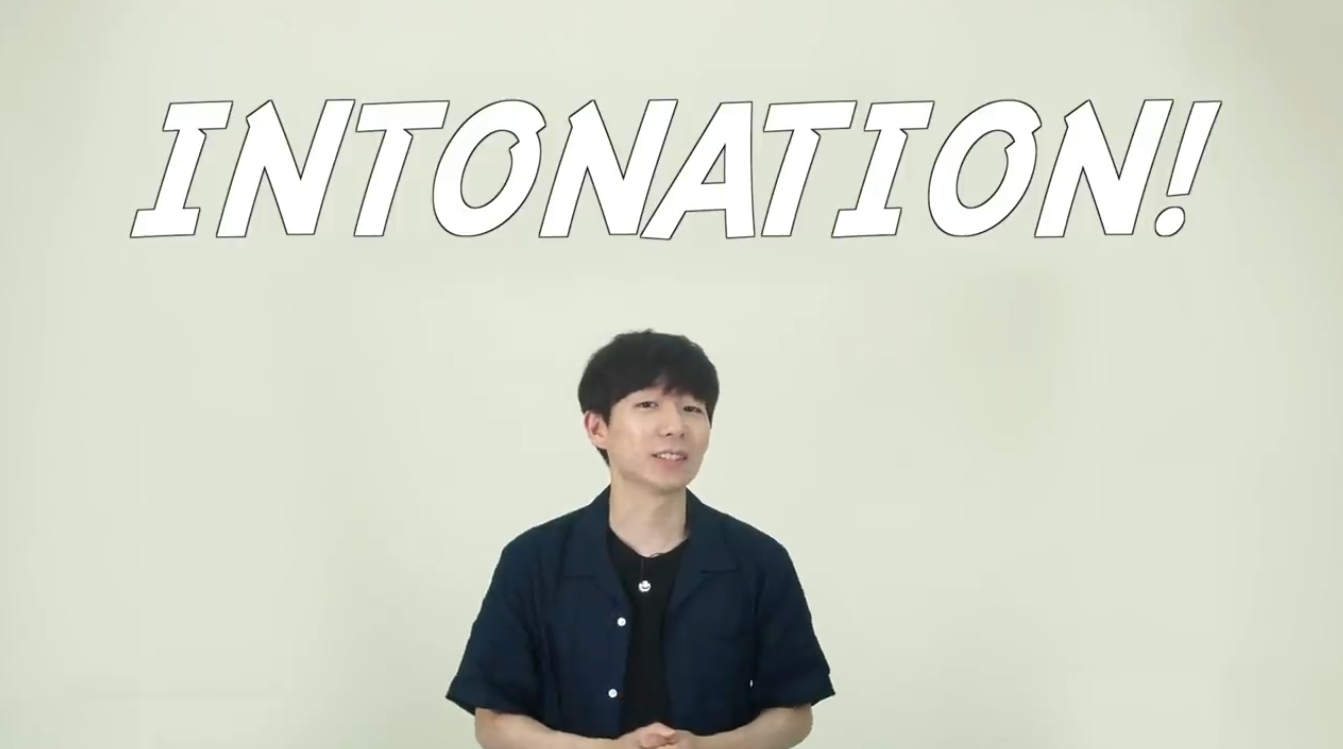
✅ When it means “No”
Raise your pitch at the end: 아니↑
✅ When it does NOT mean “No”
Say it in a flat, quick tone: 아니→
Examples:
<1>
A: 집에 갈까? (Shall we go home?)
B: 아니. 벌써? (No. Already?)
<2>
A: 집에 갈까? (Shall we go home?)
B: 아니, 벌써? (What... already?)
Now, you are going to be recognizing the sentence-initiator “아니” here and there in many Korean conversations. If you can use it at the right moment, people will find your speaking way more natural. We guarantee!
💟 Did you enjoy this post?
Stick around, the next one's gonna be even better! 😃
💟 Wanna make learning Korean fun? Come learn with TTMIK!
Ready to Start Speaking Korean?
If you want to keep learning, explore more beginner-friendly Korean lessons and pronunciation tips at Talk To Me In Korean, trusted by millions of Korean learners worldwide.