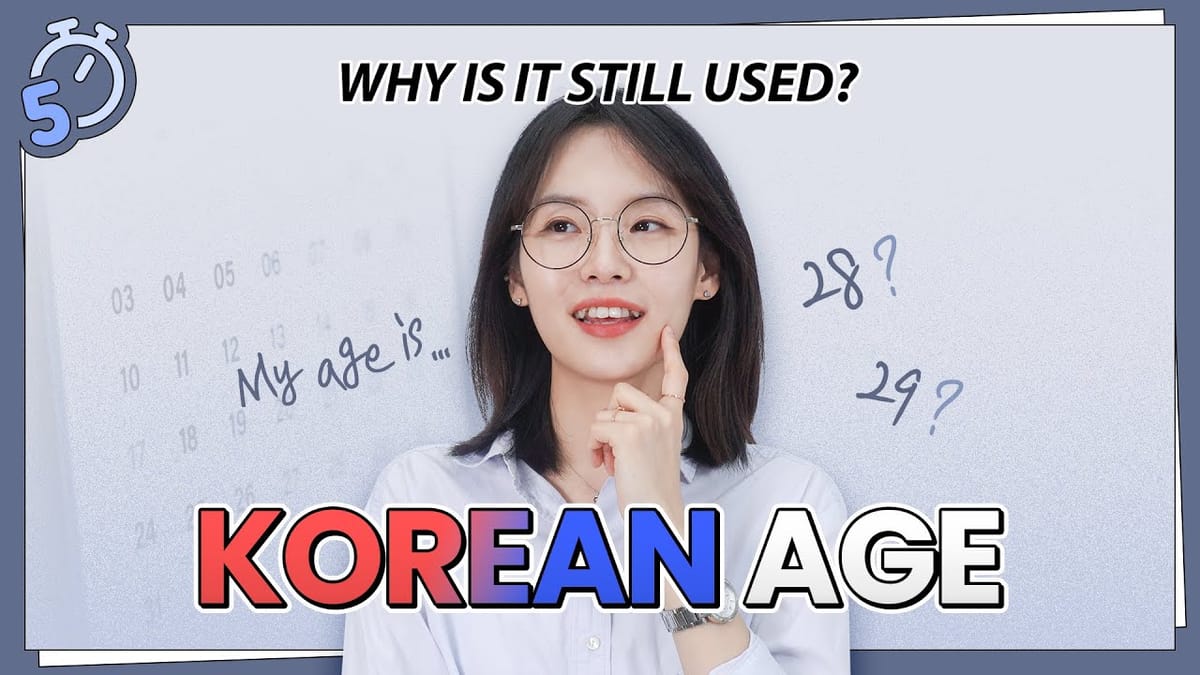
What is 한국 나이(Korean age)?
Korean age is the counting system unique to Korea for determining age. While this system has been used by various East Asian countries in the past, Korea is the only country still utilizing it. Korean age accounts for the years a person has experienced, with an additional year added for the New Year.
How does it work?
In the international age counting system, newborns are considered 0 years old. For instance, a baby born on December 31st, 2000, would be 23 years old the year before their birthday. However, in Korea, newborns are considered 1 year old, reflecting the year they have experienced. On January 1st, 2001, that same baby would be considered 2 years old in Korea, despite being born just two days prior. In summary, one year is added for the year of birth, along with an extra year for the New Year.
Why Korean age?
Korean age is deeply ingrained in Korean culture and language.
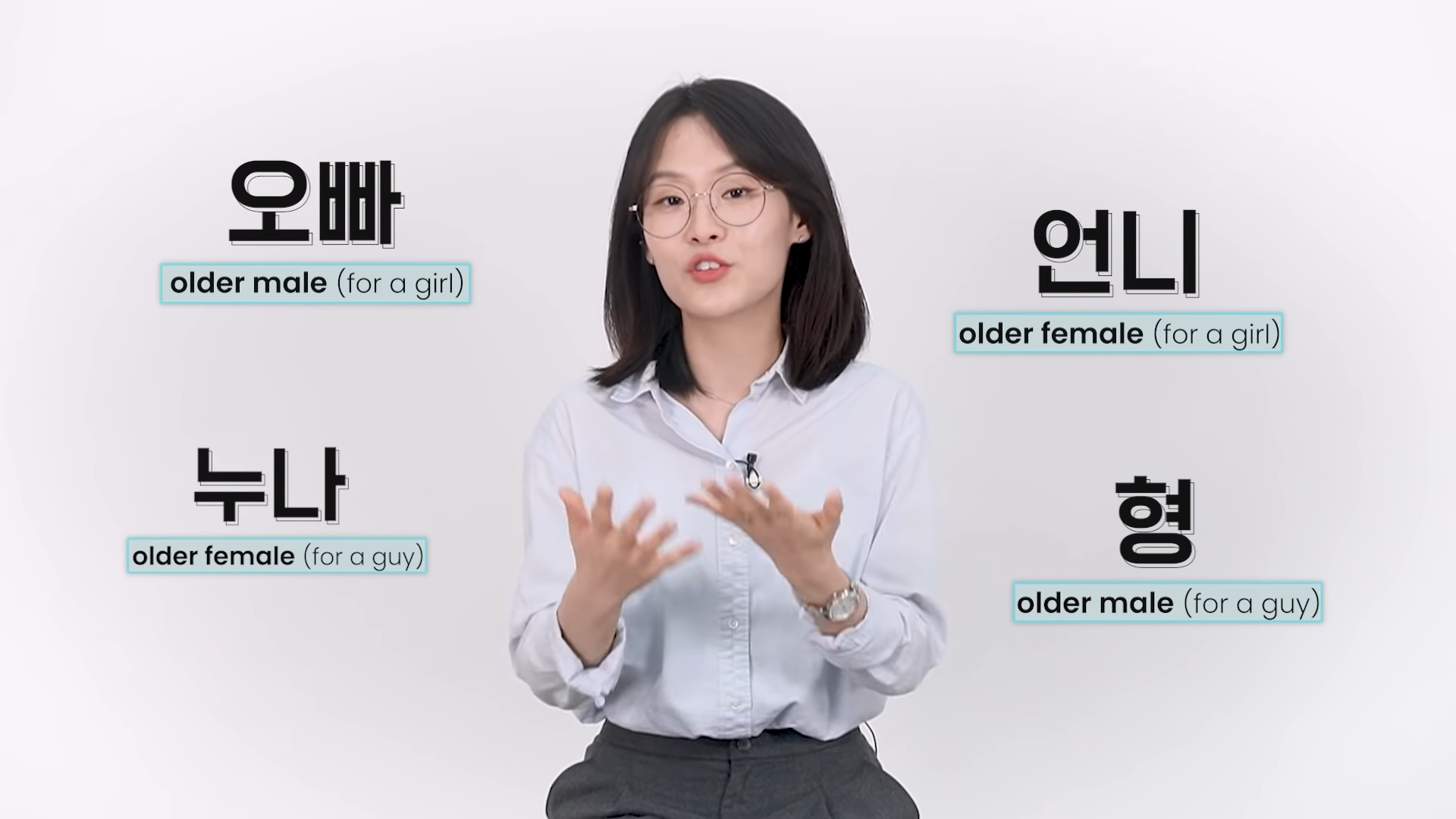
It facilitates the use of honorifics in addressing others based on age differences and influences verb endings depending on the listener's age relative to the speaker.
In 2023, a new law was implemented making the international age system the official standard in South Korea for legal and administrative purposes.
However, the Korean age system continues to persist in casual settings because it's so deeply rooted in Korean culture and daily conversations.
This is especially evident when discussing the age of school children, where the traditional Korean age system remains prevalent.
Due to its alignment with culture and language, removing Korean age practices from daily life has proven challenging despite the legal change, and not much has changed in practical terms since the implementation of the new standard.
While the international age counting system is now applied in legal formal contexts, the Korean age remains an important cultural reference point.
How do Korean people feel about the Korean age?
Despite being a unique cultural feature, the Korean age isn't universally favored among Koreans. A poll conducted before the 2023 law change revealed that 71% of Koreans disliked the Korean age system and expressed interest in its removal. This sentiment contributed to the government's decision to officially adopt the international age system.
However, despite the legal change, the cultural transition has been slow. Many Koreans continue to use the traditional age system in everyday conversations, demonstrating how deeply embedded cultural practices can persist even after formal changes.
The coexistence of both systems—international age for legal purposes and Korean age for social contexts—highlights the complex relationship between law, culture, and everyday practice in Korean society.

How old are you?
Whether familiar with it or not, the Korean age adds an intriguing dimension to Korea's cultural landscape. Exploring new languages often unveils surprising aspects of different cultures. Take a moment to determine your Korean age—would you embrace it?
If you enjoyed this video, check out more of our 5-Minute Korea series on our channel!
Why Talk To Me In Korean?
Talk To Me In Korean is known worldwide for breaking down the language barrier and making Korean easy to learn. Our lessons are designed by experienced teachers who’ve guided countless learners down this same path. We blend solid teaching with a lighthearted approach, so you’ll find yourself having fun while actually making progress.