In English, expressions like “ate,” “unc,” and “cooked” are viral slang terms.
In Korean, similar ideas come through in phrases like “씹어먹었다,” “아재,” and “스불재.” Different words, similar vibe!
Let’s break them down and see what they really mean.
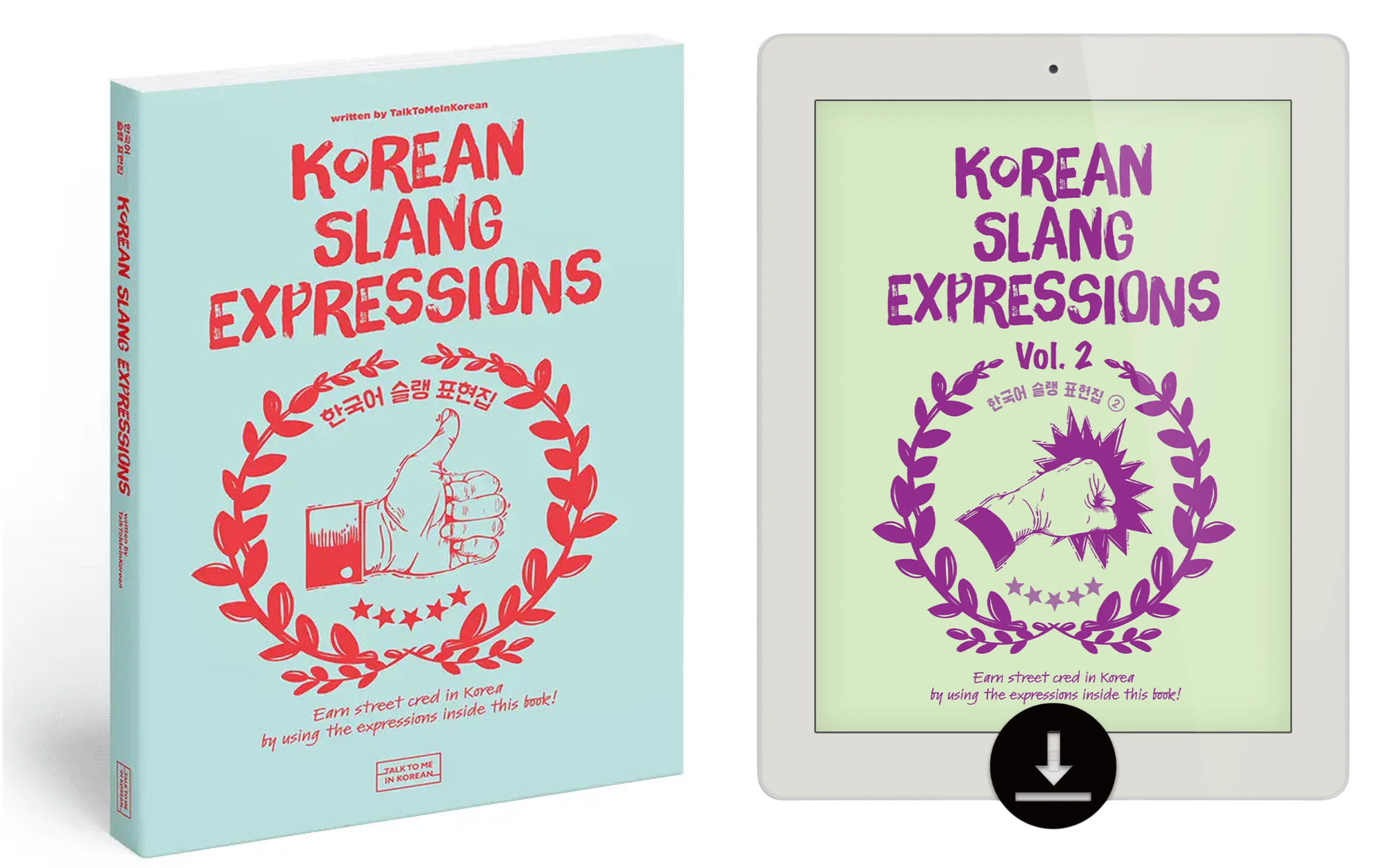
💡Quick note: For more fun examples, check out our book 'Korean Slang Expressions' and '[eBook] Korean Slang Expressions Vol. 2'.
🍽️ “Ate” vs “씹어먹었다”
When someone says “She ate!”, it means “She absolutely nailed it!” or “She killed it!”
In Korean, “씹어먹었다” (= chewed it up) is used almost the same way to describe someone who completely dominated or did something amazingly well.

And here’s a fun coincidence: both expressions come from the same root idea “to eat.”
In English, “ate” is the past tense of “eat,” and in Korean, “먹었다” is the past form of “먹다(to eat).”
Even though the two languages are totally different, both cultures use the same “eating” metaphor to show that someone devoured their performance in the best possible way! 😄
▶️ Example:
- She sang that song so well, she ate and left no crumbs. (=그녀가 노래를 완벽하게 불러서 무대를 씹어먹었어!)
🧢 “Unc” vs “아재”
In English, “Unc” (short for uncle) playfully refers to someone out of touch or not keeping up with trends.
In Korean, “아재” plays the same role. It means a middle-aged man who’s a little old-fashioned or cheesy.
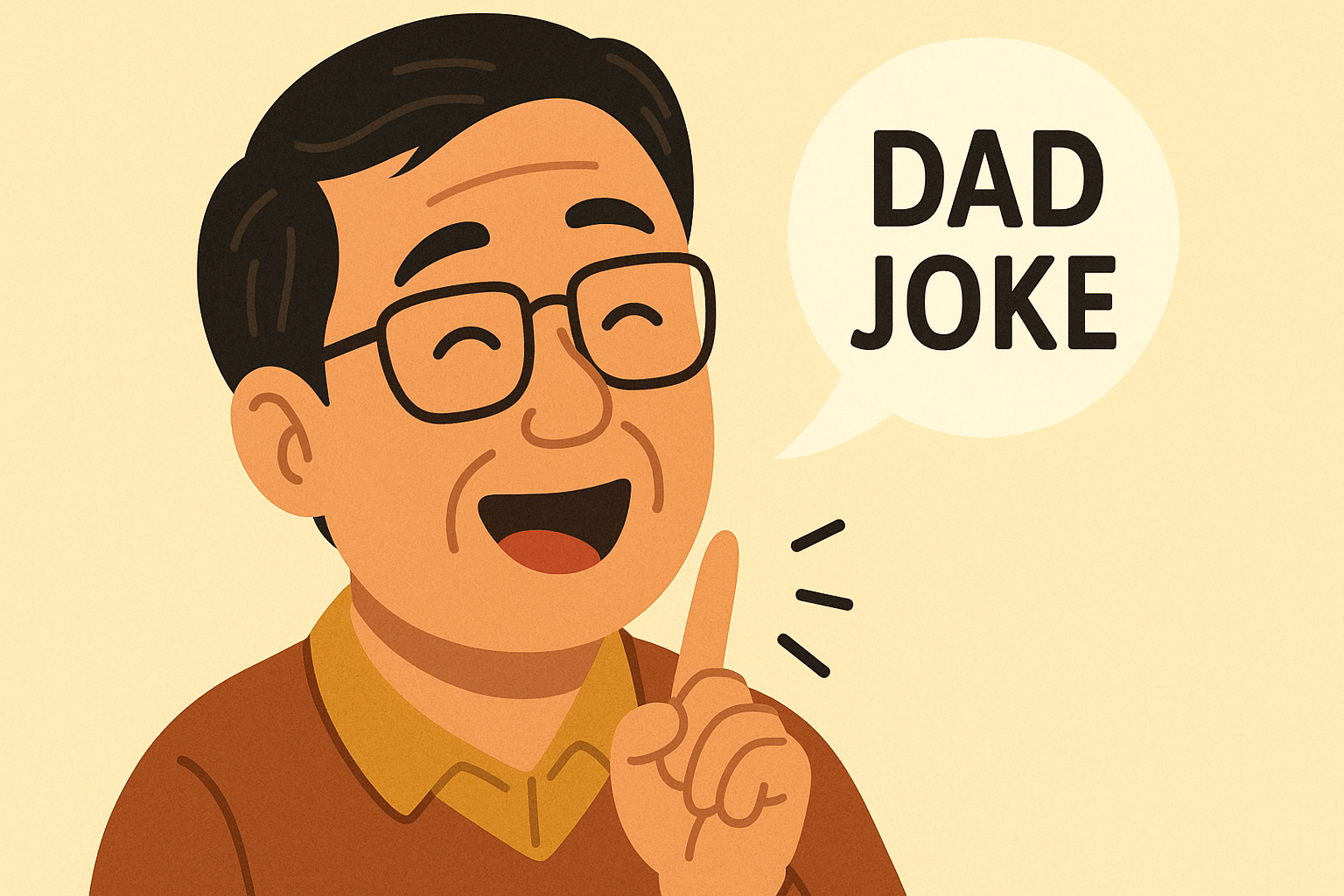
So in Korea, what Ensligh speakers call dad jokes, those old school, corny wordplays, are known as '아재 개그(gag).'
▶️ Examples:
- He’s such an unc. (= 그 사람 완전 아재야.)
- 그 농담은 완전 아재 개그야. (= That joke is such a dad joke.)
👉 Cultural note:
“Unc” is more of a friendly tease, while “아재” can sound a bit more sarcastic depending on tone.
🔥 “I’m cooked” vs “스불재”
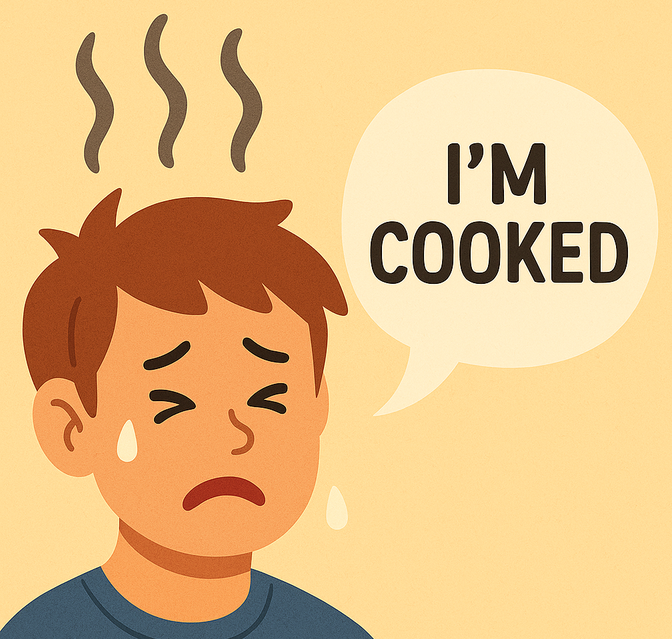
“I’m cooked” means “I’m screwed,” or “This is over.”
The Korean slang (and also acronym) “스불재” has a similar meaning. 스불재 is short for 스스로 불러온 재앙, which literally means “a disaster you brought on yourself.”
So while “I’m cooked” doesn’t always imply it’s your fault, “스불재” refers specifically to a problem caused by your own actions.
▶️ Examples:
- I stayed up gaming and overslept again! 스불재야! (“That’s a self-made disaster!
🎯 What do you think?
Slang is one of the most fun ways to feel the rhythm of a language and to see how people really think and talk.
We hope this post made you even more curious about Korean and how fun the language can be.
If you’d like to discover more interesting Korean slang, learn more with TTMIK’s Korean Slang Expressions series on TTMIK Books!
Welcome to Talk To Me In Korean 🇰🇷
Master Korean faster with the most trusted Korean textbooks worldwide. Created by a team of passionate language learners, our books make studying clear, effective, and fun.
We’ll guide you from your first word to advanced fluency.