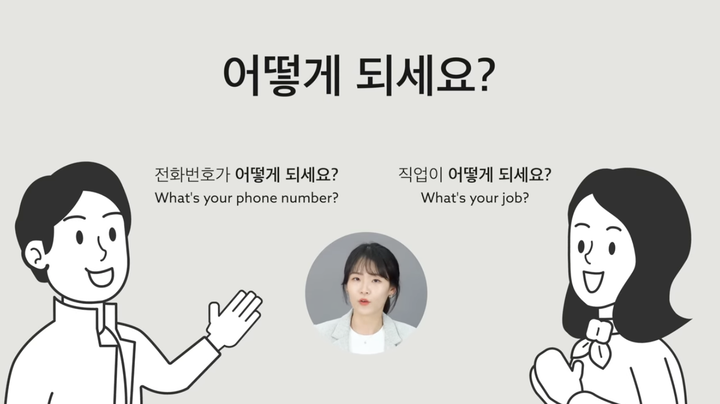
Learning Korean can feel challenging at times—but with the right speaking strategies, you can boost your fluency faster than you think! 💬
Here are 11 proven ways to practice Korean speaking, whether you’re a beginner learning Hangeul or an intermediate learner aiming to sound more natural.
🗣️ For All Levels: Build Everyday Confidence
1. Describe Your Surroundings in Korean
Look around and describe what you see—in Korean!
Talk about the objects on your desk, today’s weather, or people nearby.
Not only will this help expand your Korean vocabulary, but you’ll also notice which areas you still need to learn. Try this anywhere, anytime!
2. Do a Self-Interview
Interview yourself in Korean!
Ask and answer simple questions like:
- 이름이 뭐예요? (What’s your name?)
- 오늘 기분 어때요? (How are you feeling today?)
Since you already know your own answers, this method helps you gain speaking confidence naturally. Get creative—pretend you’re a celebrity on a talk show!
3. Join Voice Chats
Platforms like Discord or Clubhouse offer spaces for learners to join Korean conversation groups.
It can be nerve-racking at first, but real-time interaction is the fastest way to improve pronunciation and natural flow. Plus, you might make some great study buddies!
4. Talk to AI Assistants
Practice speaking to AI assistants and let them check your language skills. Ask Siri, Google Assistant, or ChatGPT Korean questions in Korean and see how accurate your pronunciation is.
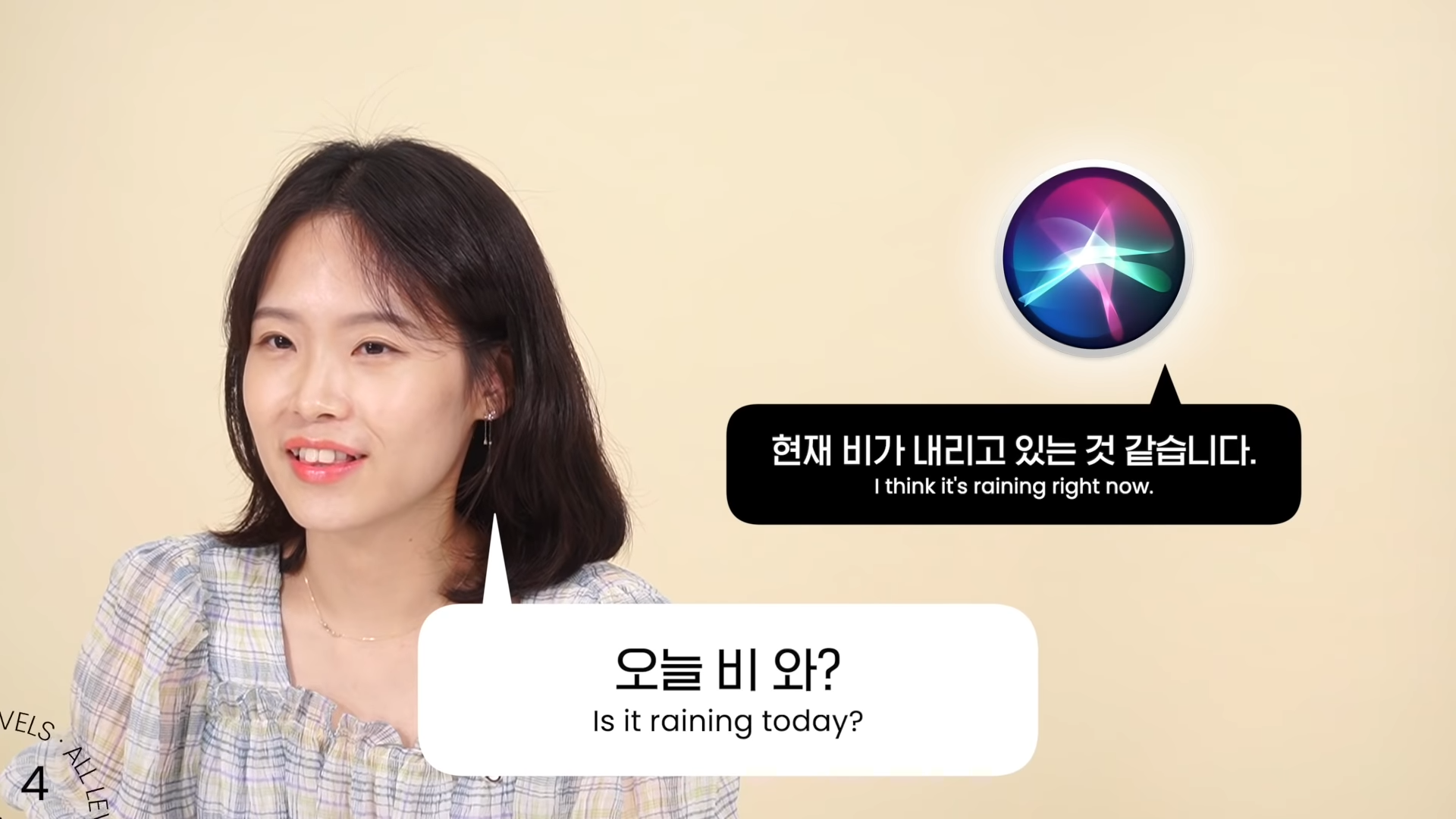
5. Describe Your Actions
Narrate your daily routine out loud. What did you do today? What are you doing currently? Go through your routine today and see how much you can explain.
🧩 For Intermediate Learners: Level Up Your Fluency
6. Pause and Respond
Watch Korean YouTube videos such as those on TTMIK’s YouTube channel or listen to podcasts and pause them and respond as if you’re part of the conversation.
If you like this style of studying, check out our Korean Q&A Sentence Patterns book for more practice!

7. Imagine Real-Life Situations
Pretend you’re catching up with a friend about your weekend or favorite drama.
Describe what happened, share opinions, and express emotions, see how much detail you can provide.
8. Pretend Vlogging
Turn your daily life into a mini Korean vlog! 🎥
Record yourself explaining what you did today, how you felt, or what’s coming next.
This creative approach improves intonation and storytelling. Plus, you’ll hear your own progress when you replay it.
9. Summarize What You Watch or Read
After finishing a K-drama, YouTube video, or book, summarize it aloud in Korean. Talk about what happened and describe the characters.
You can do this with any content you consume; try to see how accurate your summary is!
10. Form Opinions and Arguments
Ready for a challenge? Pick a topic and state your opinion in Korean.
Choose any topic and see how well-rounded you can make your argument when speaking in Korean.
11. Practice translation
This method can be challenging, so take your time. Try to translate what you hear in your native language into Korean as you are actively listening. See how quickly you can translate with your new language skills.
🎤 Bonus Tip: Self-Recording = Double Effectiveness!
Pro tip! This is a great method to practice on your own and combine with any of the other study habits.
Recording yourself while speaking Korean might feel awkward at first, but it’s one of the most effective ways to improve. You’ll strengthen your pronunciation, identify specific areas for improvement, and fine-tune your tone and rhythm by comparing your speech to native speakers. This simple habit can double your progress in speaking fluently.

Keep Speaking, Keep Growing 💗
Fluency comes from consistent, creative practice. Whether you’re describing your day, talking to AI, or recording yourself, every bit of effort helps.
Stay curious, keep speaking, and let your confidence grow with every word 😺
From the first word to advanced fluency
Find the perfect learning tools, from comprehensive courses to interactive apps,
all customized to fit how you learn best.
Want to learn to speak Korean with our
systematic curriculum?
![[Intern’s Log📝] It’s a Piece of (Rice) Cake! 🍡 –Rice cake (떡) Themed Idioms](https://storage.ghost.io/c/7d/bb/7dbb35a0-481d-4d75-96b3-9a77564f9669/content/images/size/w720/2026/10/Gemini_Generated_Image_4th3ih4th3ih4th3.png)
![[Intern’s Log📝] Elevate Your Korean Proficiency with Hanja](https://storage.ghost.io/c/7d/bb/7dbb35a0-481d-4d75-96b3-9a77564f9669/content/images/size/w720/2026/10/hanjaimage.png)