💡 Why “You” in Korean Isn’t So Simple
If you’ve ever tried translating “you” into Korean, you might’ve realized—it’s not a one-size-fits-all word. The Korean language is deeply rooted in respect, relationships, and hierarchy, so the word you choose depends on who you’re speaking to, how close you are, and the level of formality.
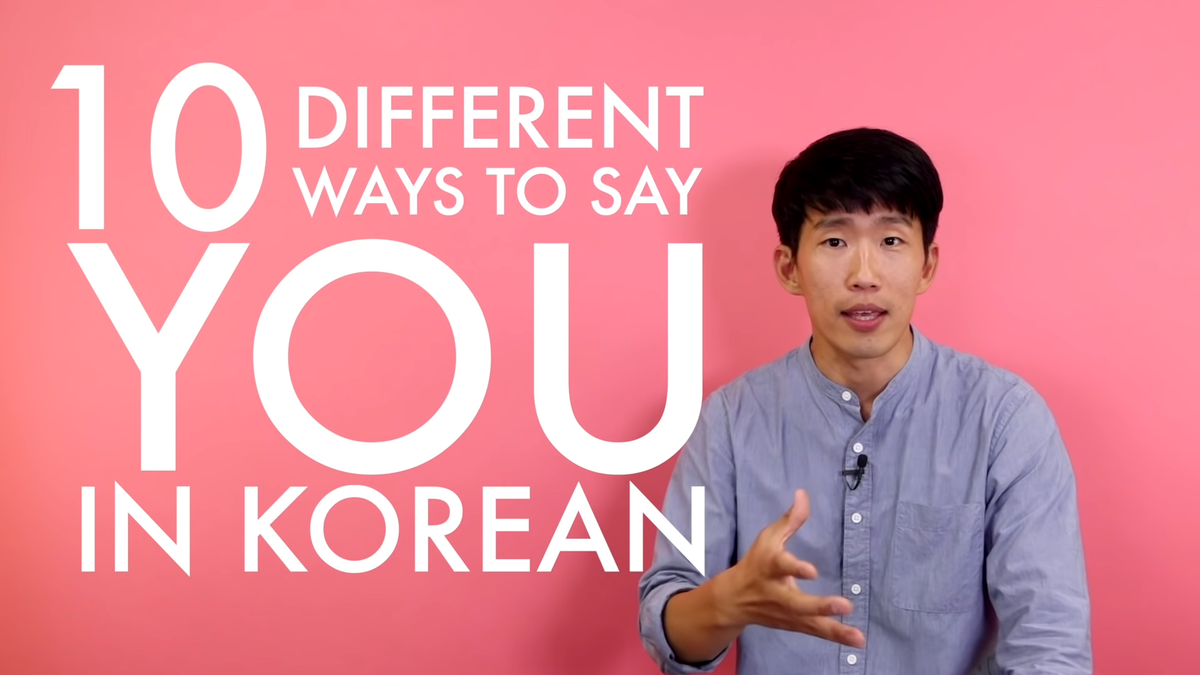
This guide breaks down 10 ways to say “you” in Korean, complete with real-life usage and cultural nuance.
10 ways to say “you” in Korean
1. 당신 & 2. 그대 - Poetic, Romantic, and Rarely Spoken
- 당신: Often seen in songs, novels, or emotional writing. While it can sound polite on paper, it can can be perceived as rude when spoken.
- 그대: A tender, poetic “you,” like “dear” in English. It’s used in love letters and romantic lyrics, not in everyday talk.
3. 너 - The Casual “You” Among Friends
This is the standard casual form of “you.”
- Used between close friends or people the same age or younger.
- It belongs to 반말 (informal speech).
⚠️ Be careful: Using 너 with someone older or in a formal situation can come across as rude.
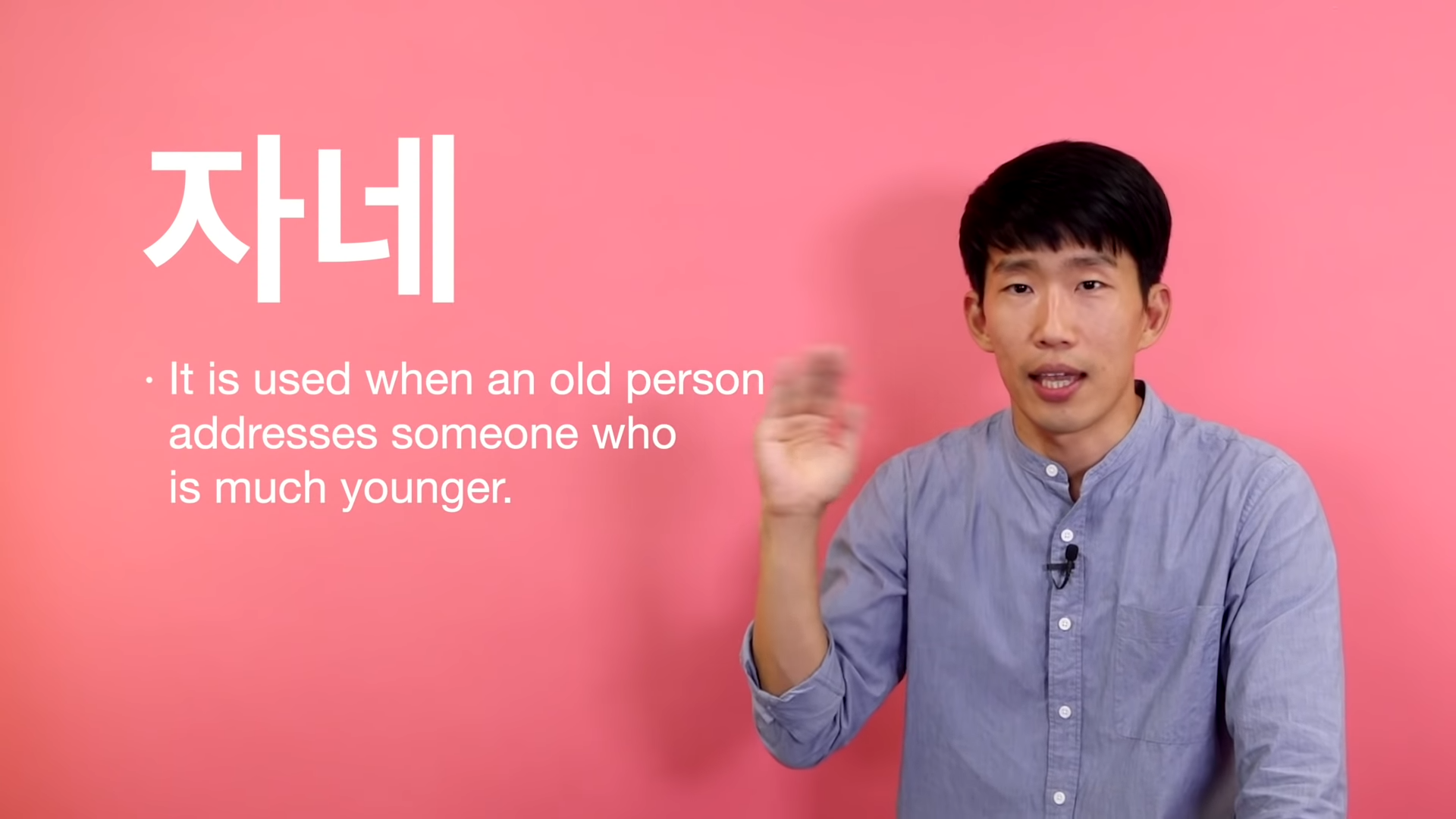
4. 자네 - An Old-Fashioned Form Used by Elders
자네 is mostly used by older people when speaking to someone much younger or of lower status.
- It has a nostalgic, traditional tone.
- You’ll often hear it in historical dramas or among elderly speakers.
5. 그쪽 - formality mixed with detachment.
It means “that side” or far away from the speaker and closer to the listener. It’s used similarly to “Hey you on the other side” as well as in a literal manner like “Over there/Go that way” in English.
- This term is not particularly polite.
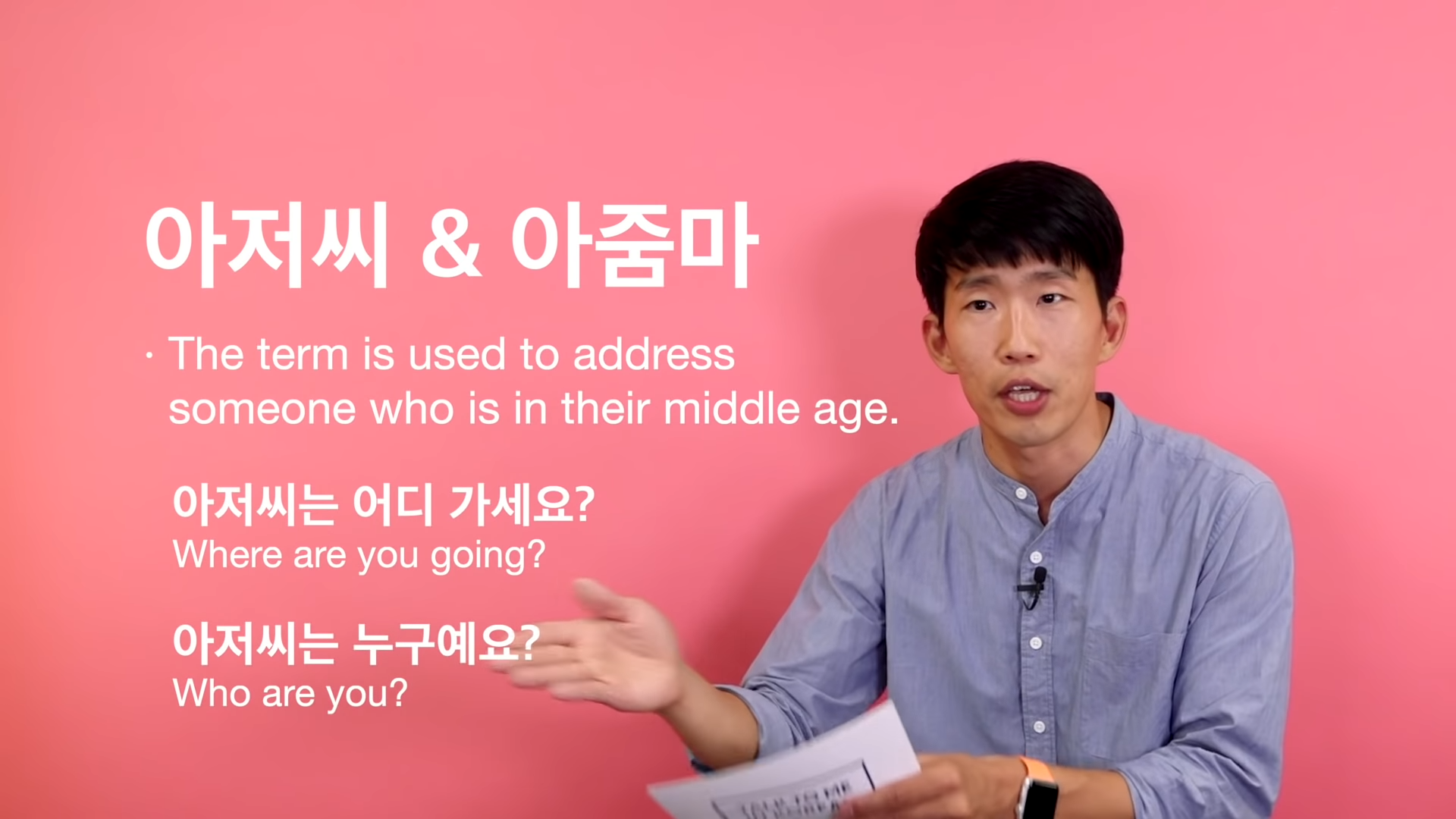
6. 아저씨 & 아줌마 - Addressing people in their middle age
- 아저씨: Used for middle-aged men
- 아줌마: Used for middle-aged women
🧭 Cultural note: Many women dislike being called 아줌마 if they’re not clearly middle-aged—it can imply they look older than they are. However, it is appropriate to call people in their 50s/60s 아저씨 and 아줌마.
7. Skip “You” Altogether
One of the most natural Korean habits is to omit “you” completely.
Korean is a flexible language, and when the listener is already engaged in the conversation, there’s not always a reason to say “you” every sentence.
8. Use social title
This is particular as you want to ensure you maintain formality and politeness. When using a person’s social title, depending on their relation to you, you may want to attach honorifics.
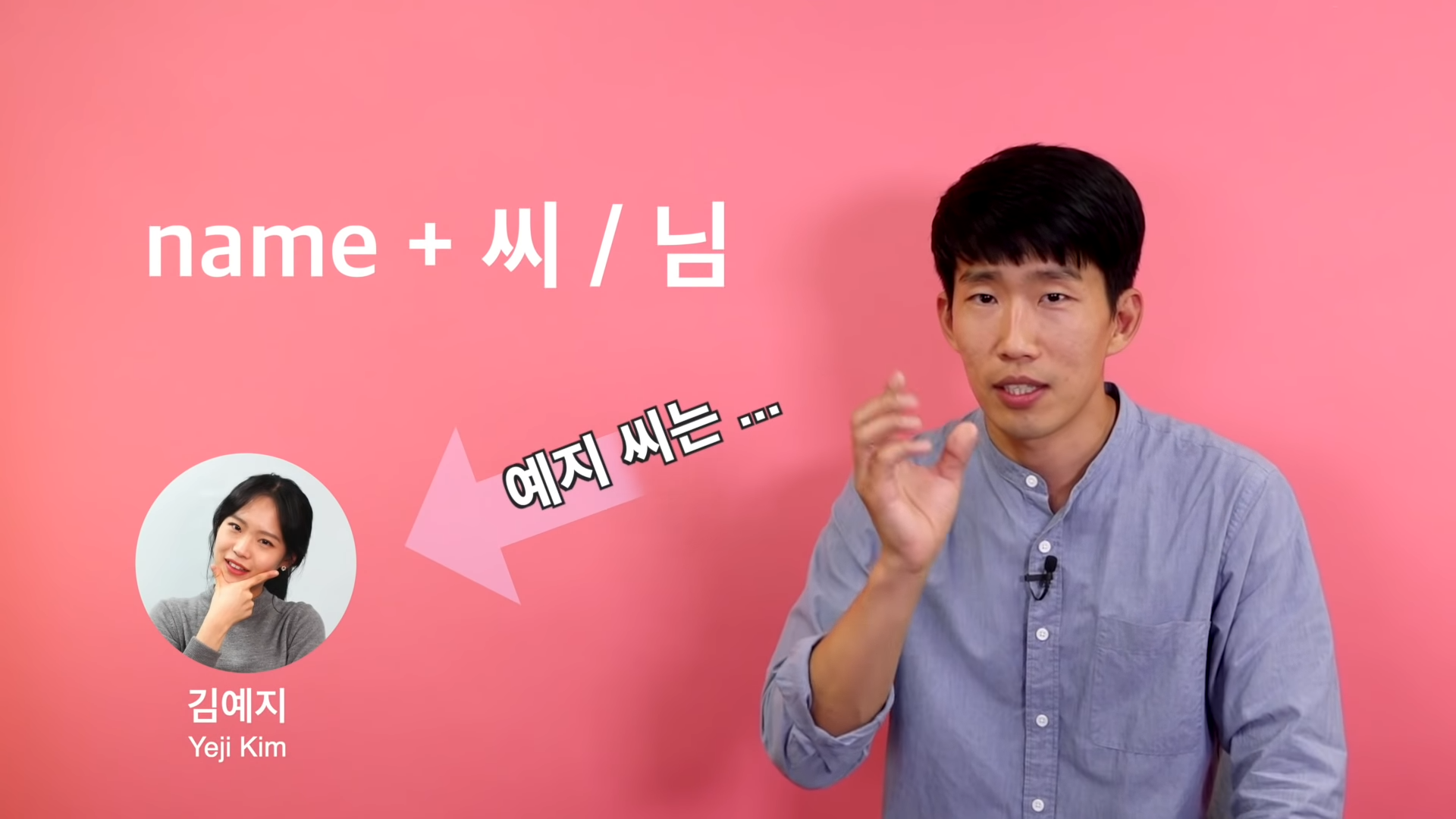
9. Name + 씨 / 님 - The Polite and Professional “You”
When you know someone’s name, add an honorific suffix instead of saying “you.”
- 예지씨 (Yeji-ssi) → polite, friendly, professional
- 예지님 (Yeji-nim) → more formal and respectful
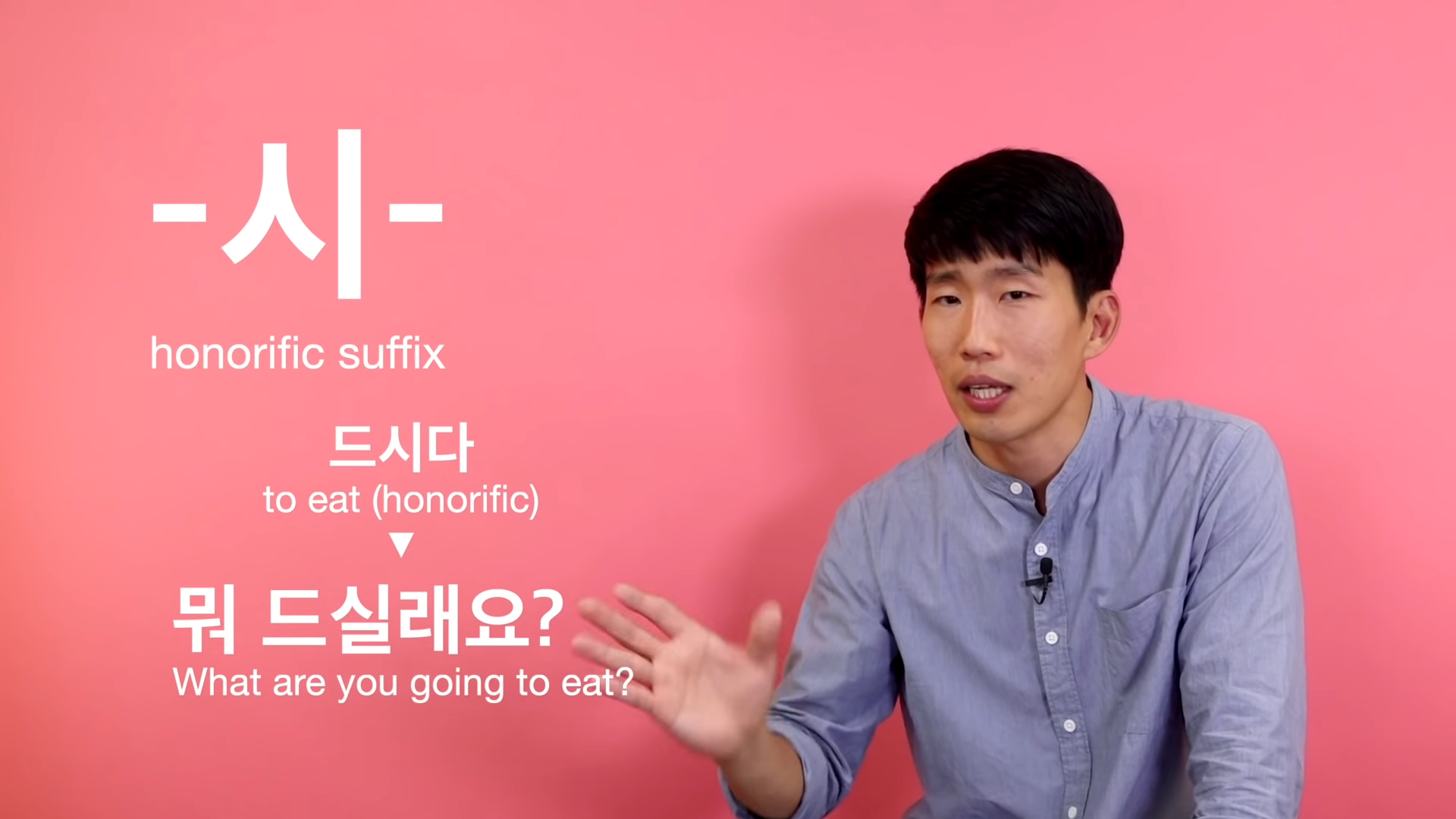
10. The Honorific Marker -시-
Instead of saying “you,” add -시- to verbs when addressing someone respectfully. This can be used once context is established to maintain the conversation flow.
Respect and Politeness in “You”
In Korean, much like in many other Asian languages, respect and politeness are deeply woven into everyday speech. Choosing the right word for “you” based on context, relationship, and tone is about showing cultural awareness.
If you eager to deepen your understanding and practice,
our website offers thoughtfully designed Korean courses and study materials to support your journey toward fluency 😃